Between Memory, Place and Matter
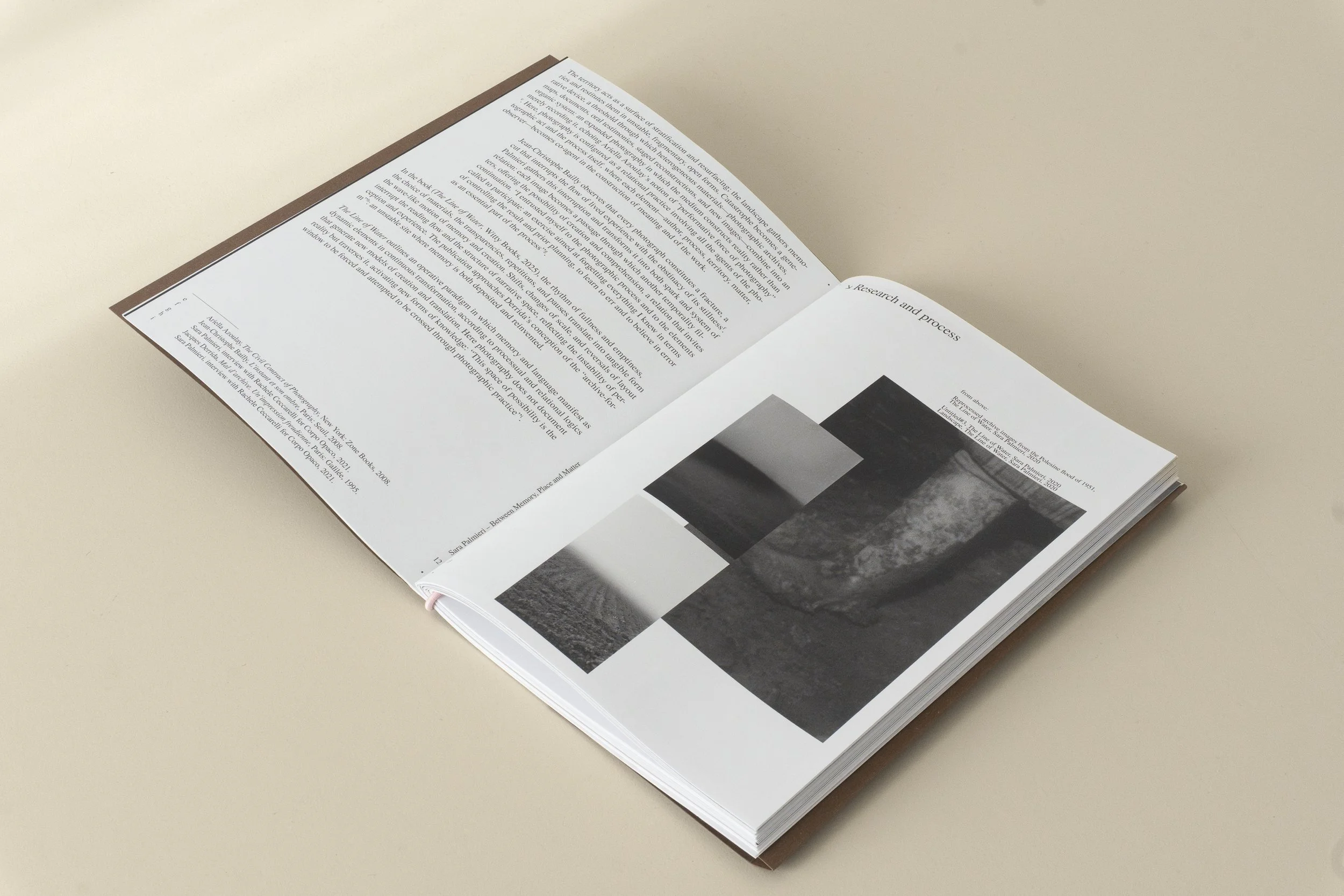
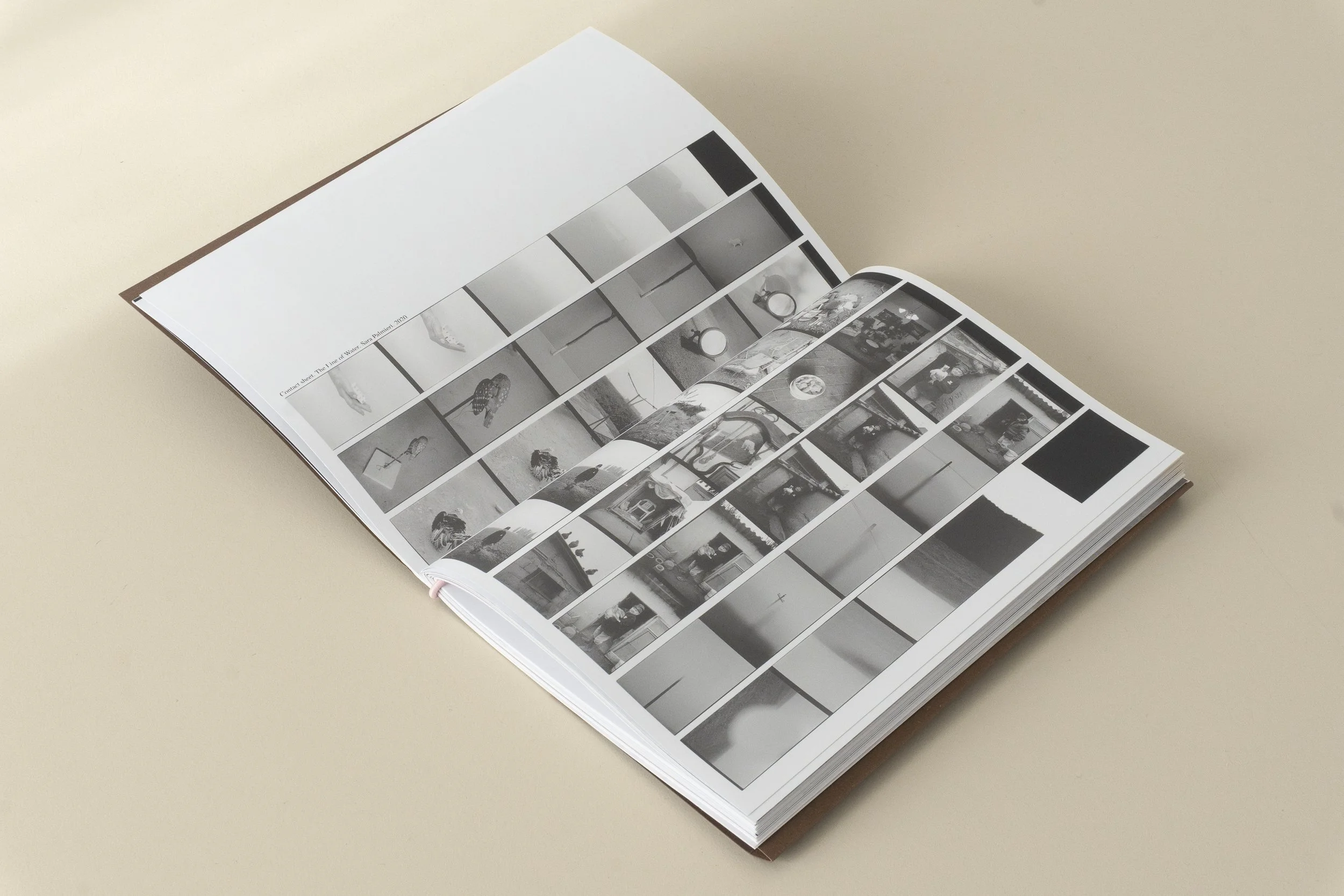
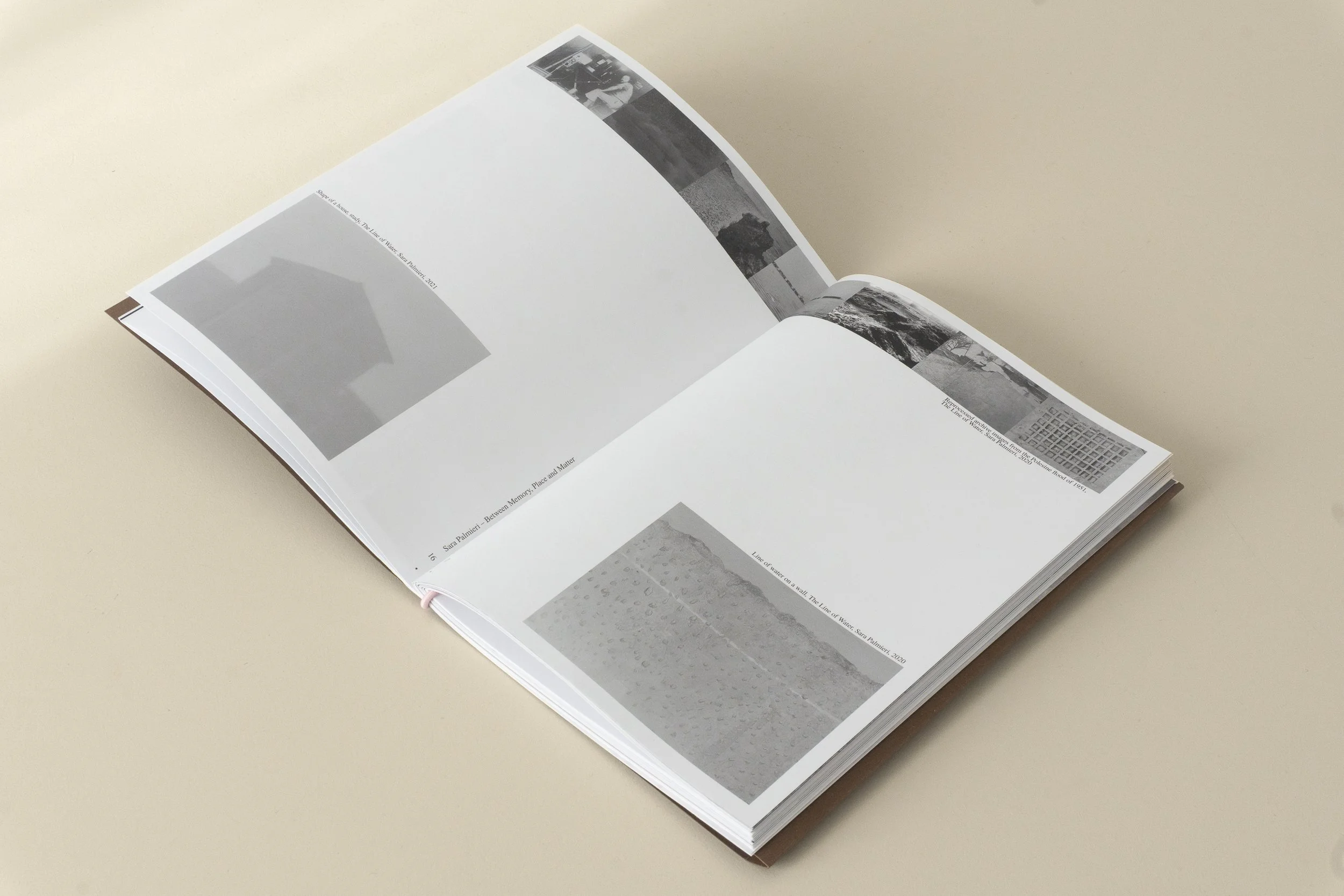
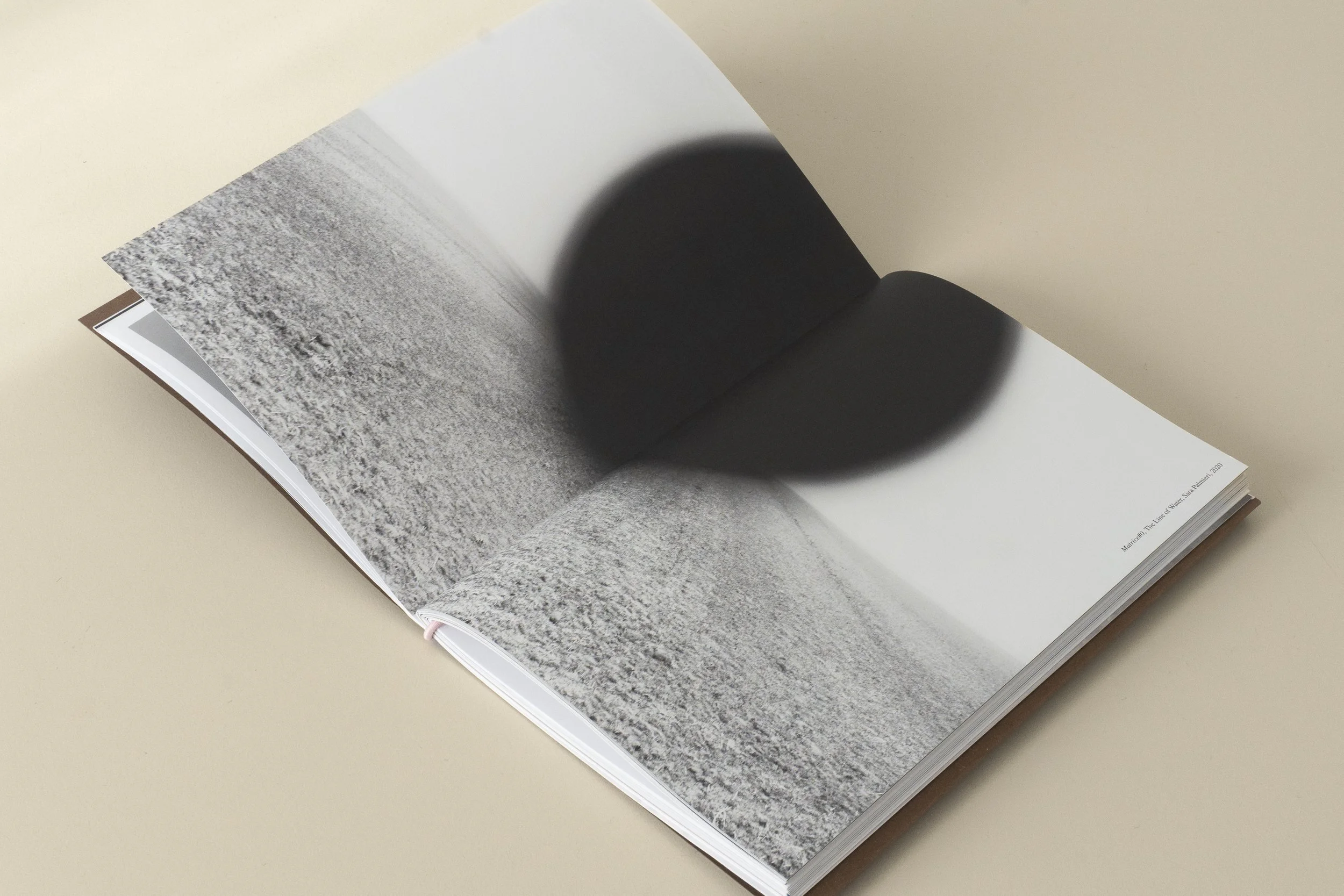
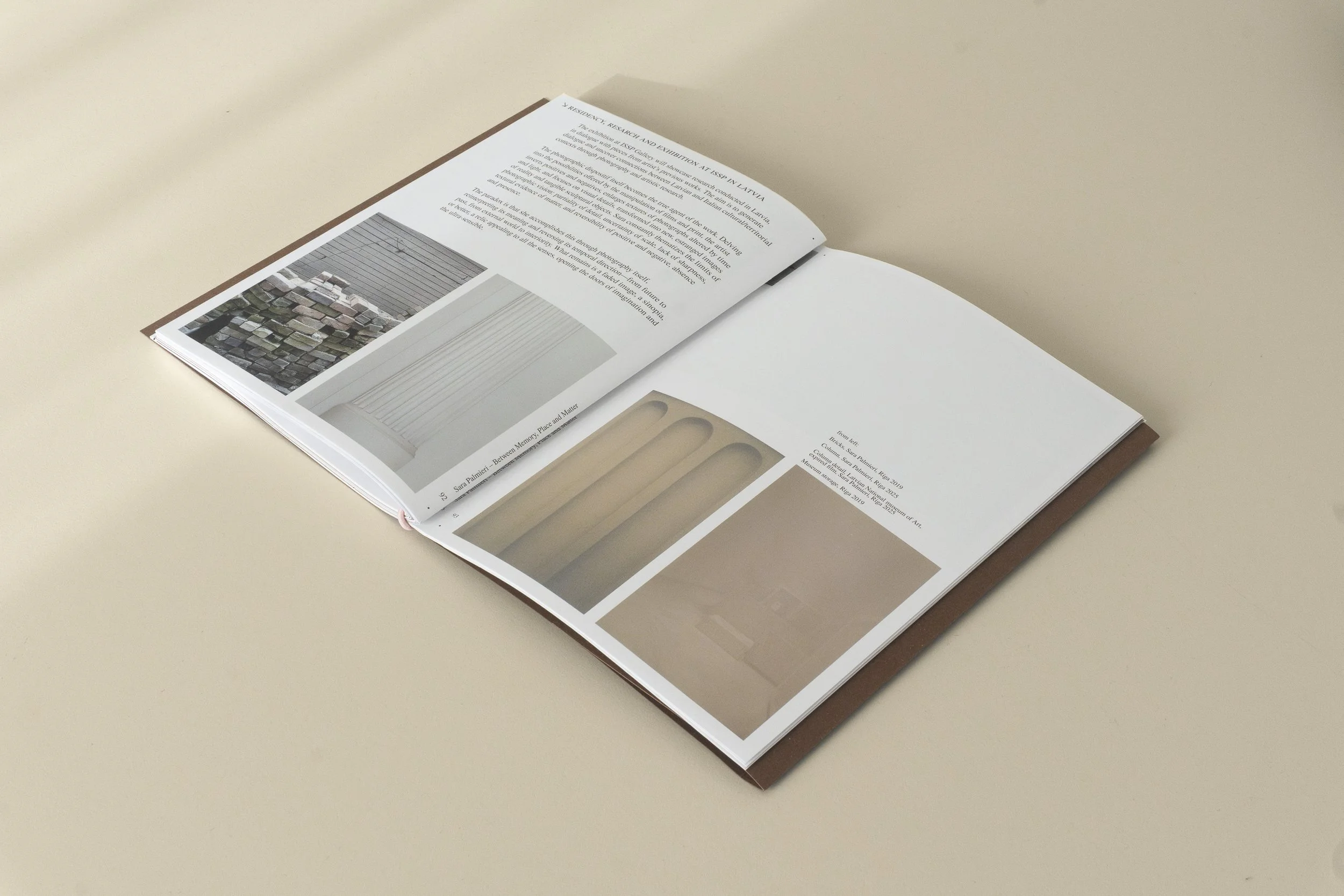
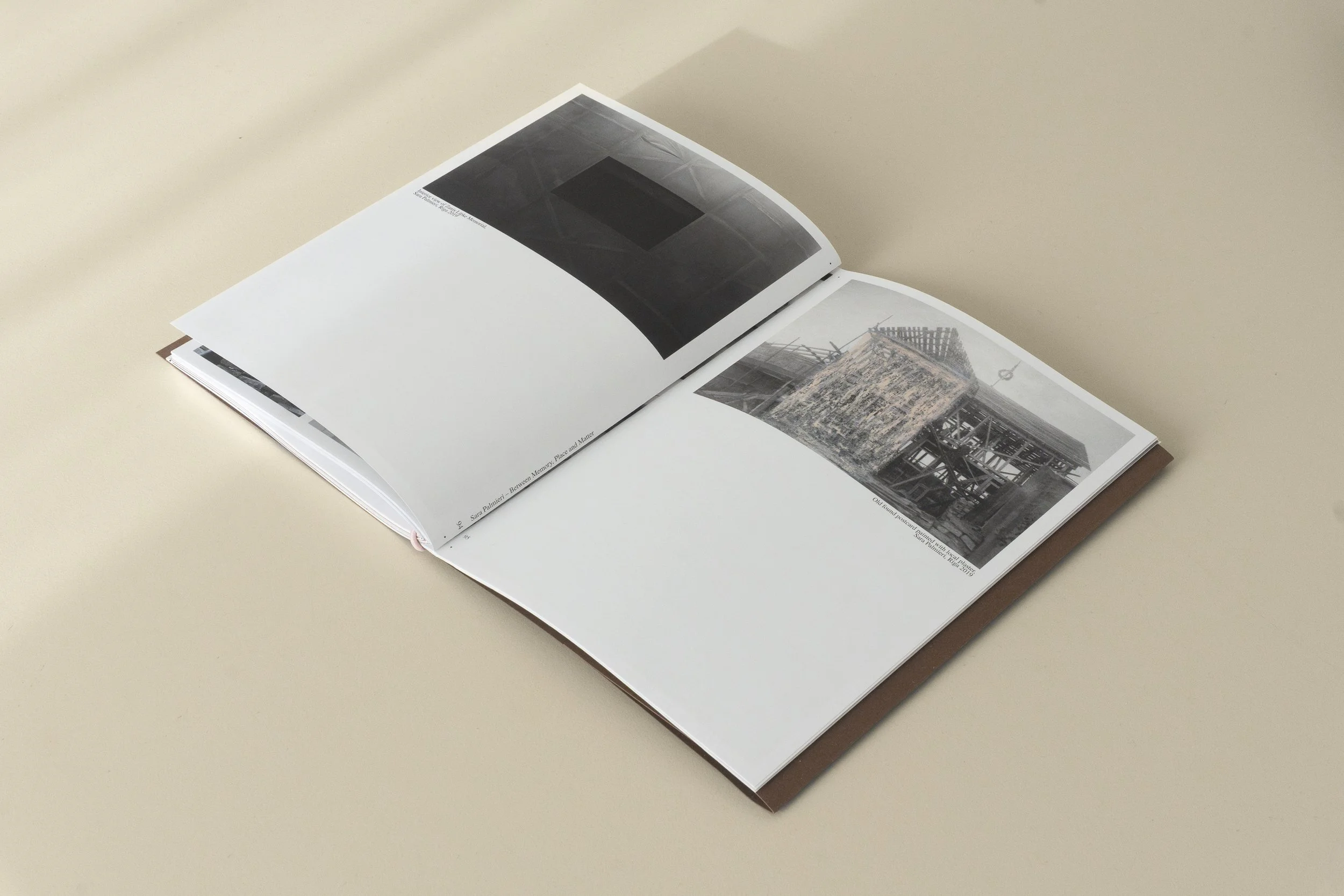
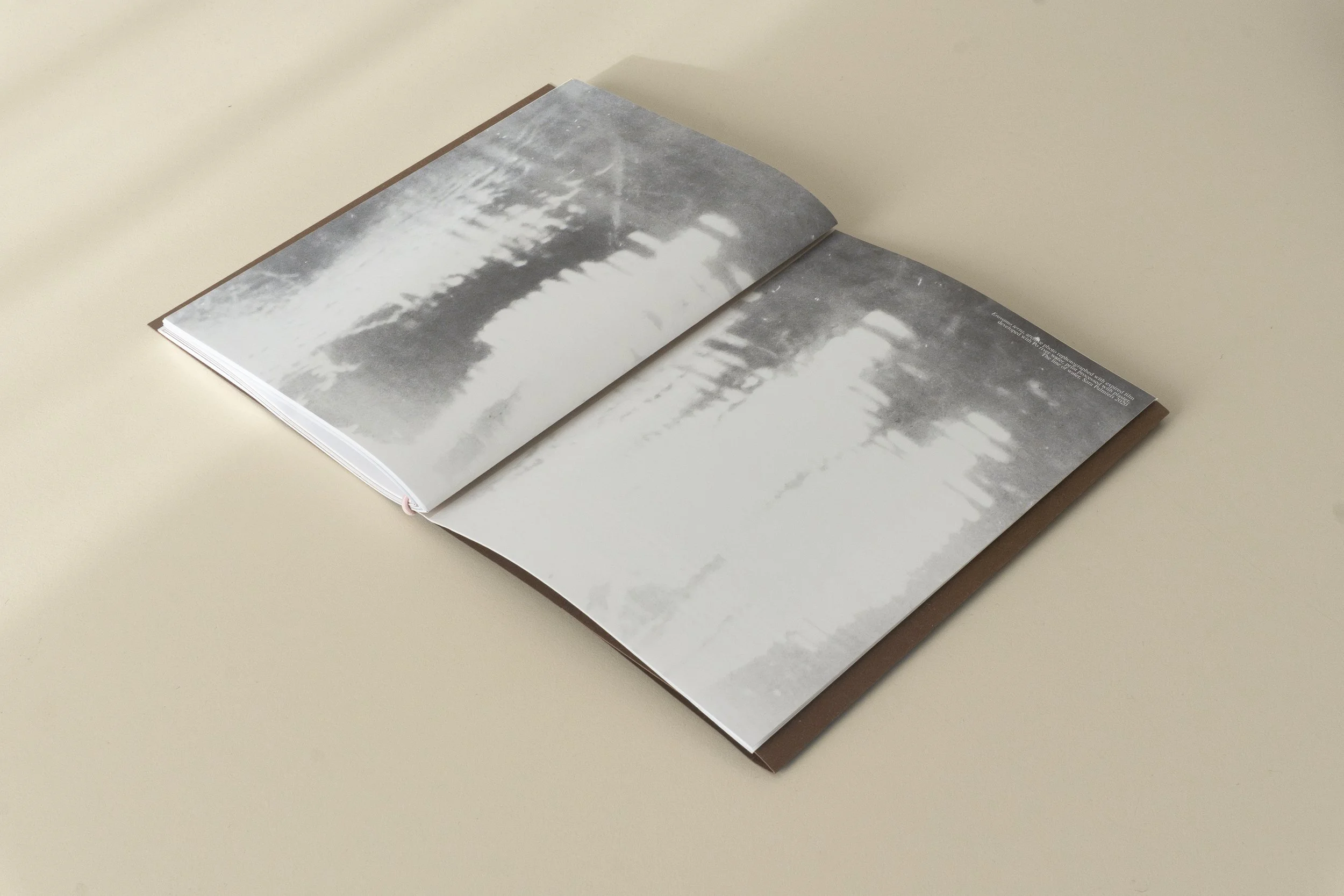
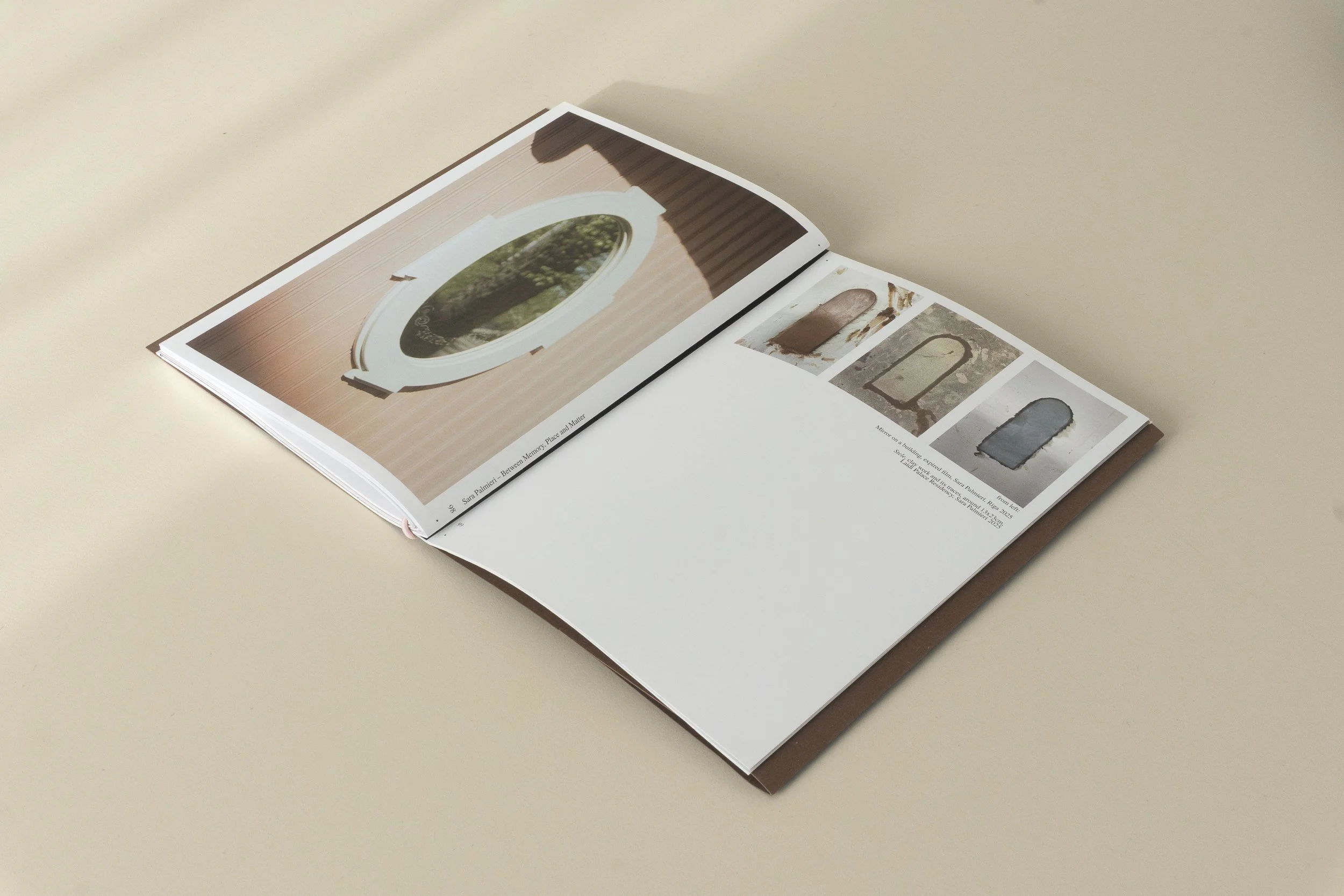
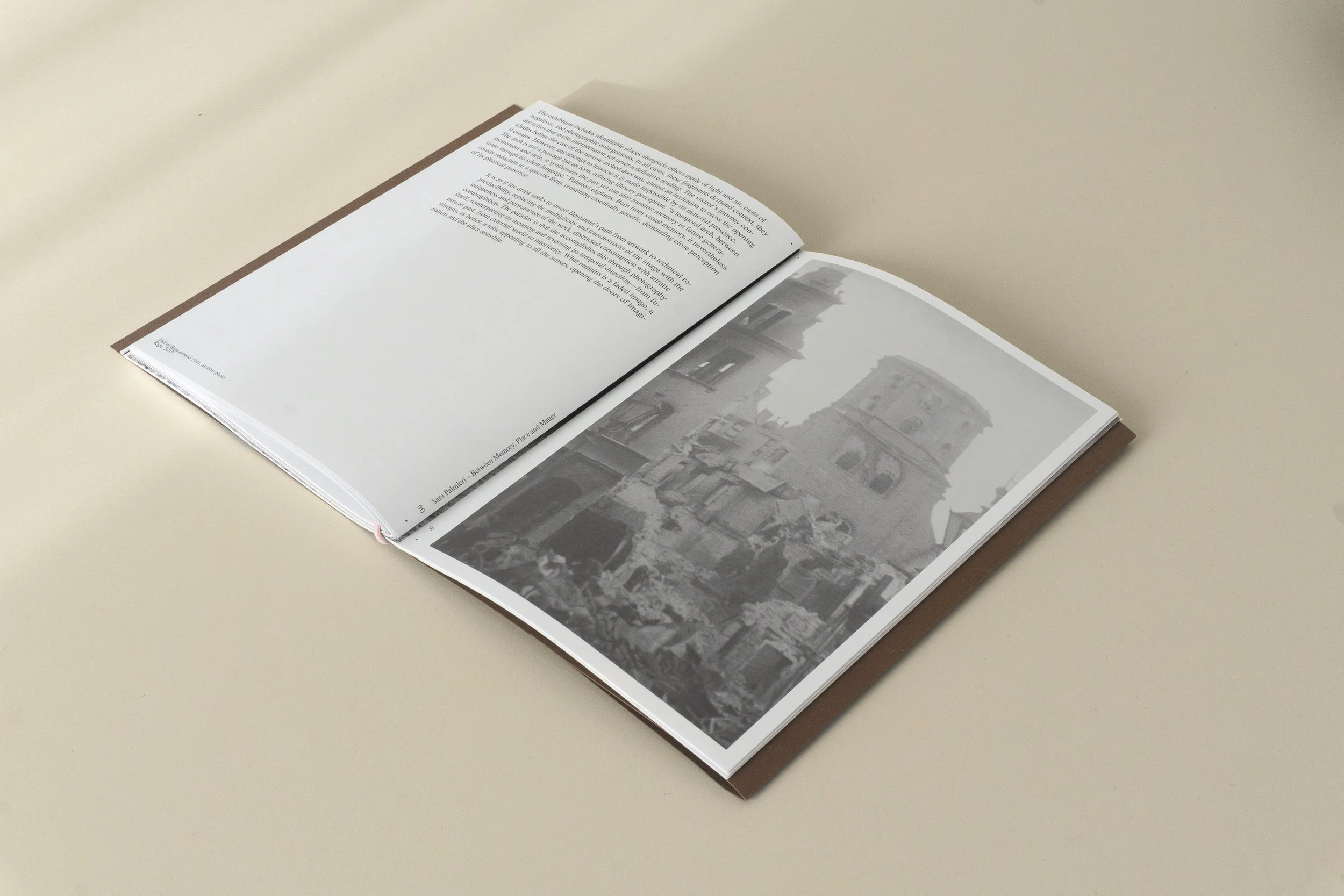
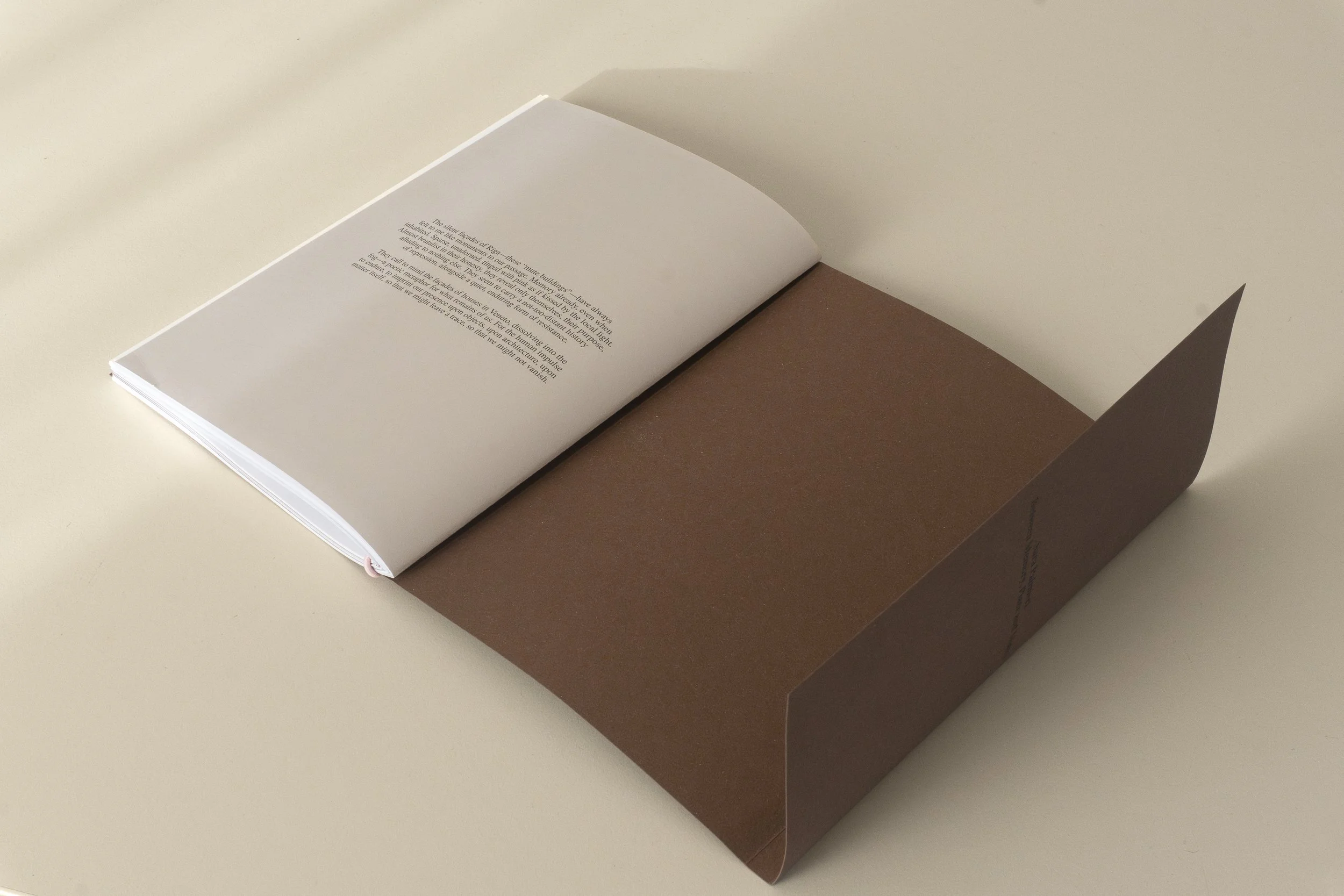
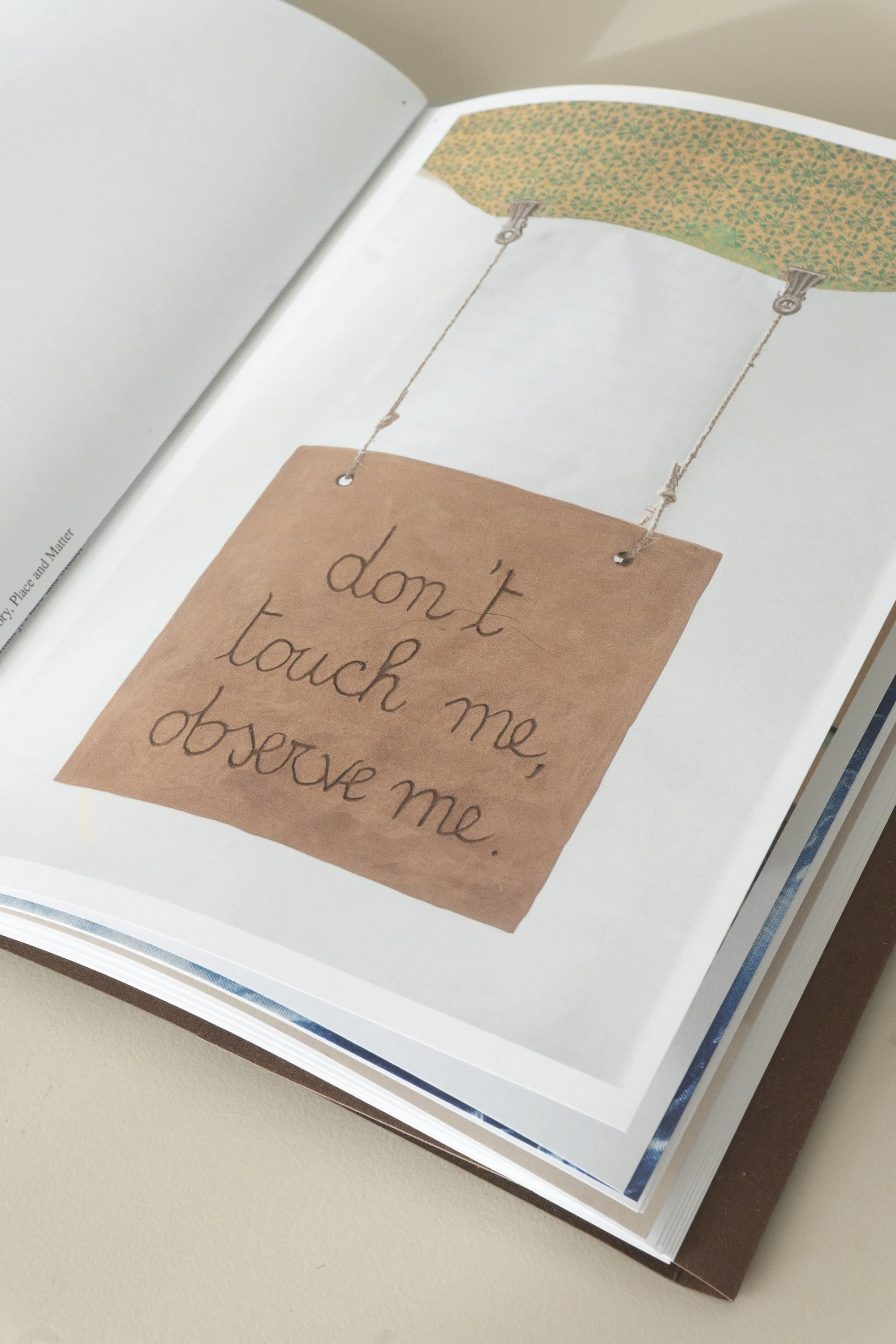
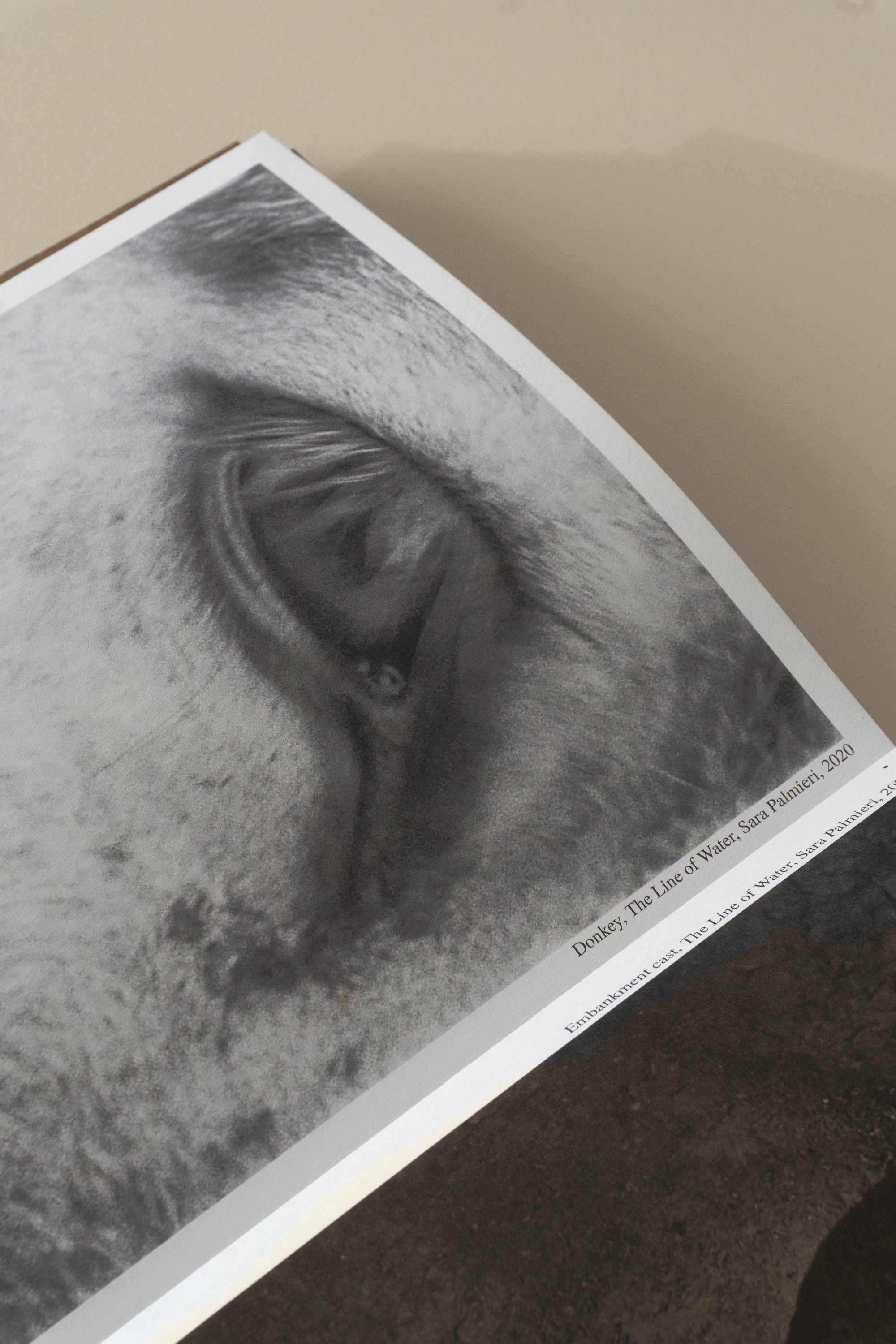
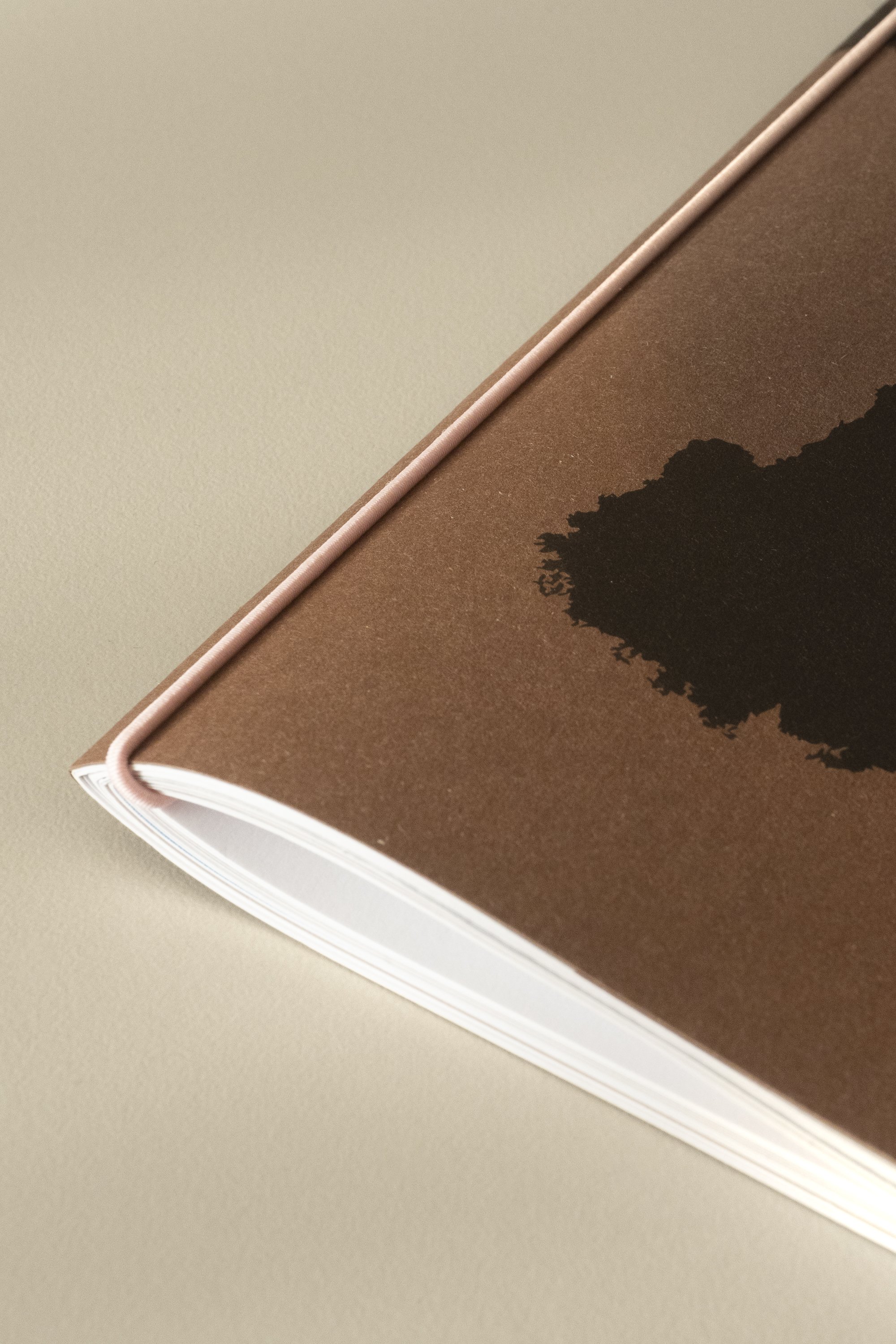
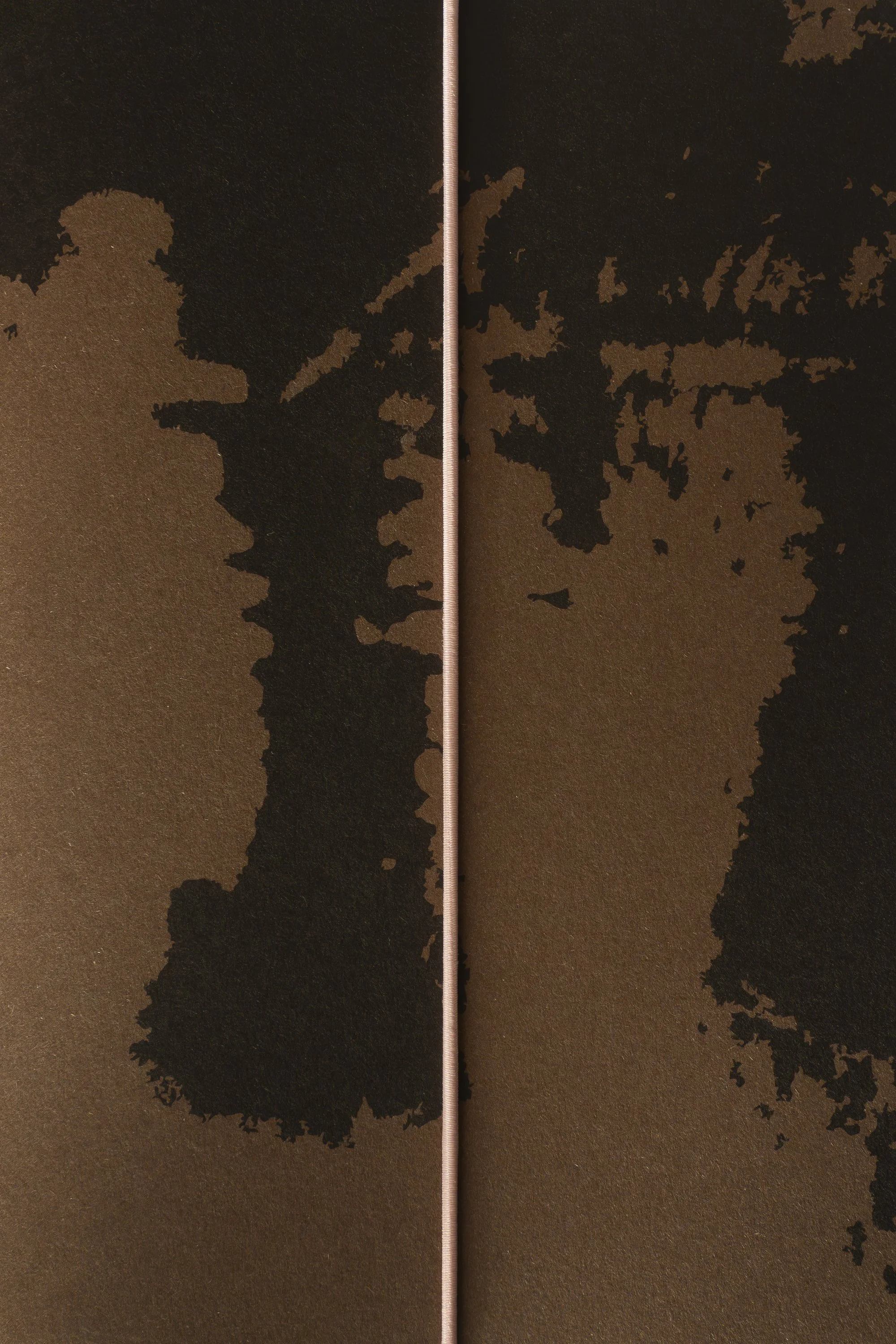
Between Memory, Place and Matter
by Sara Palmieri
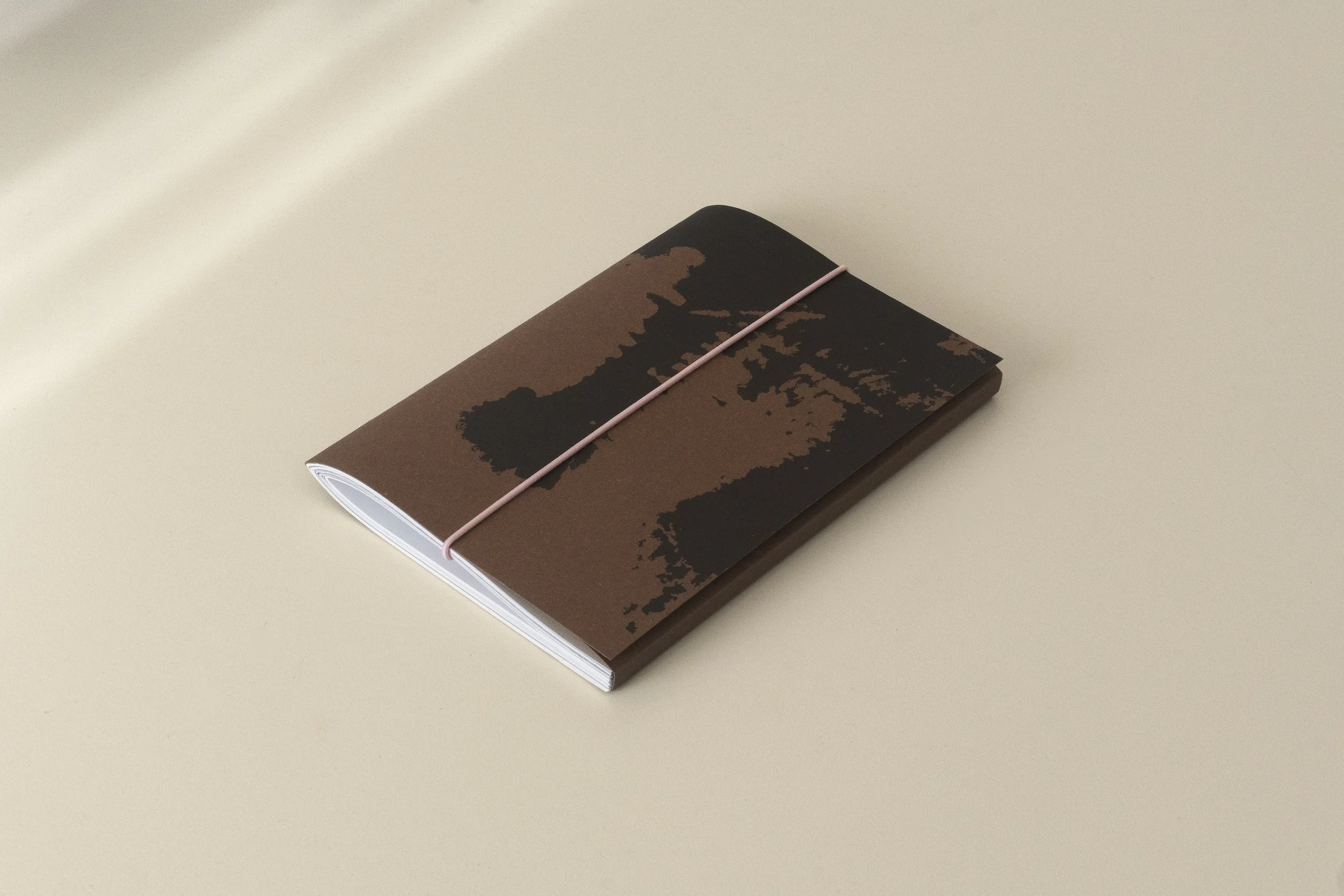
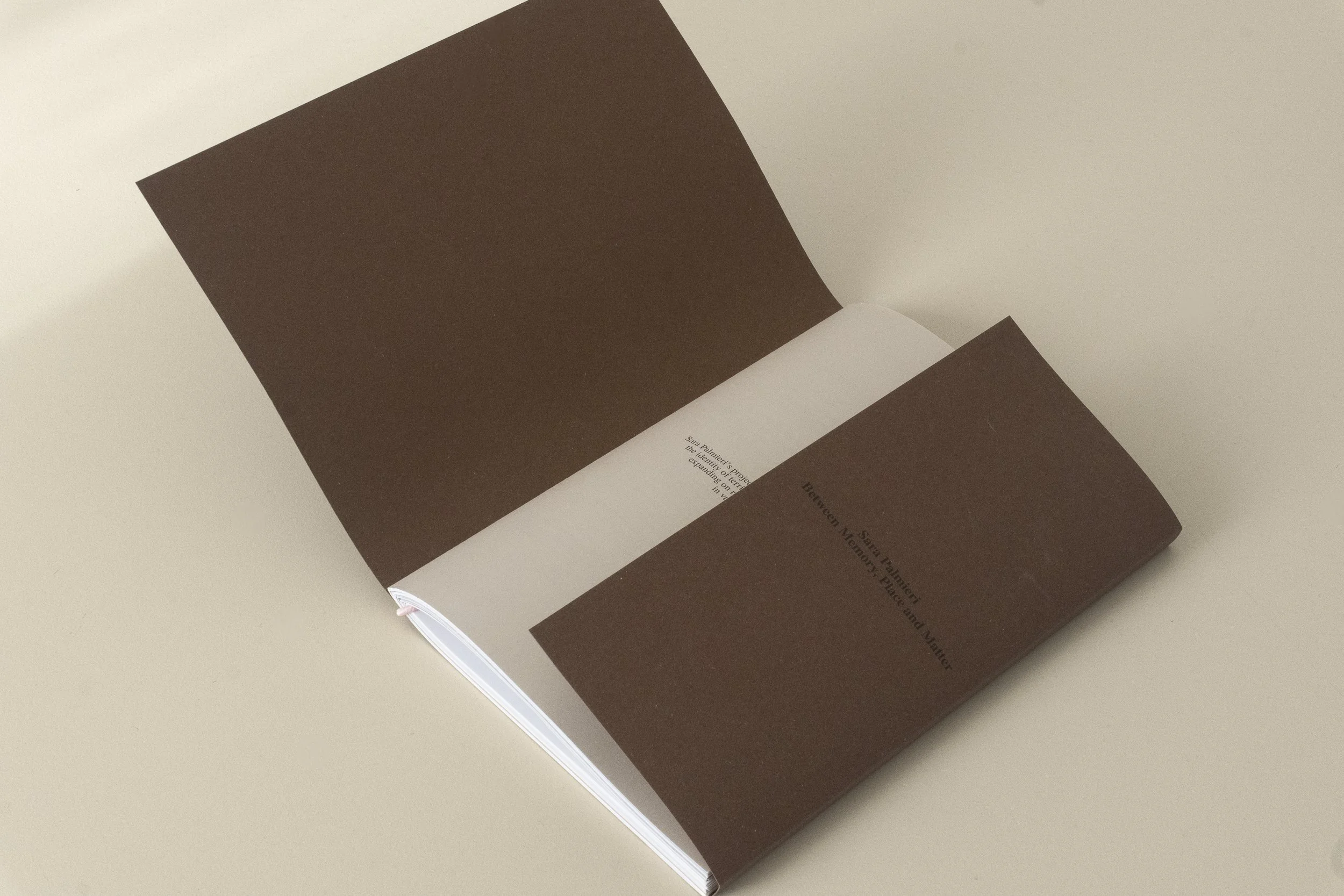
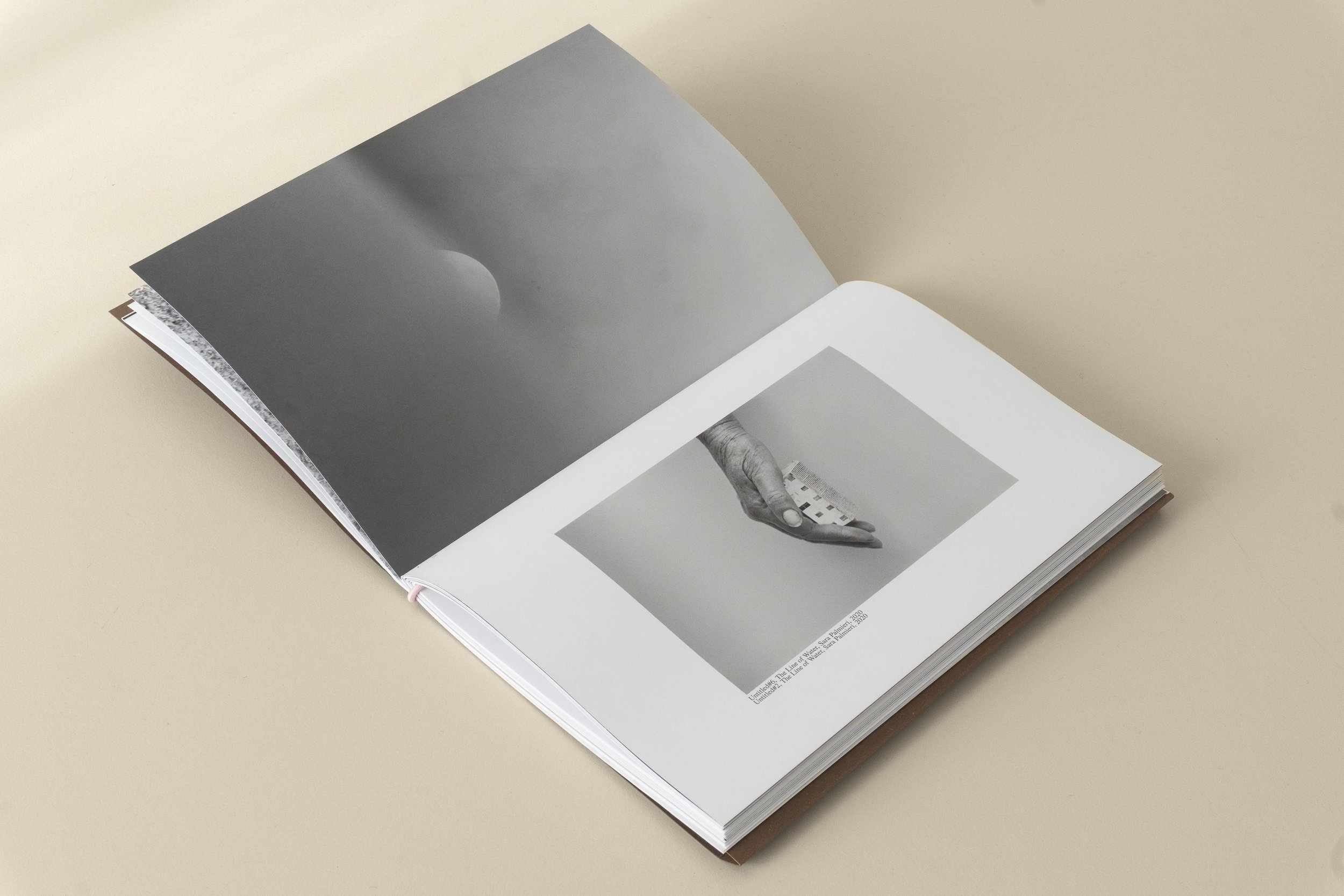
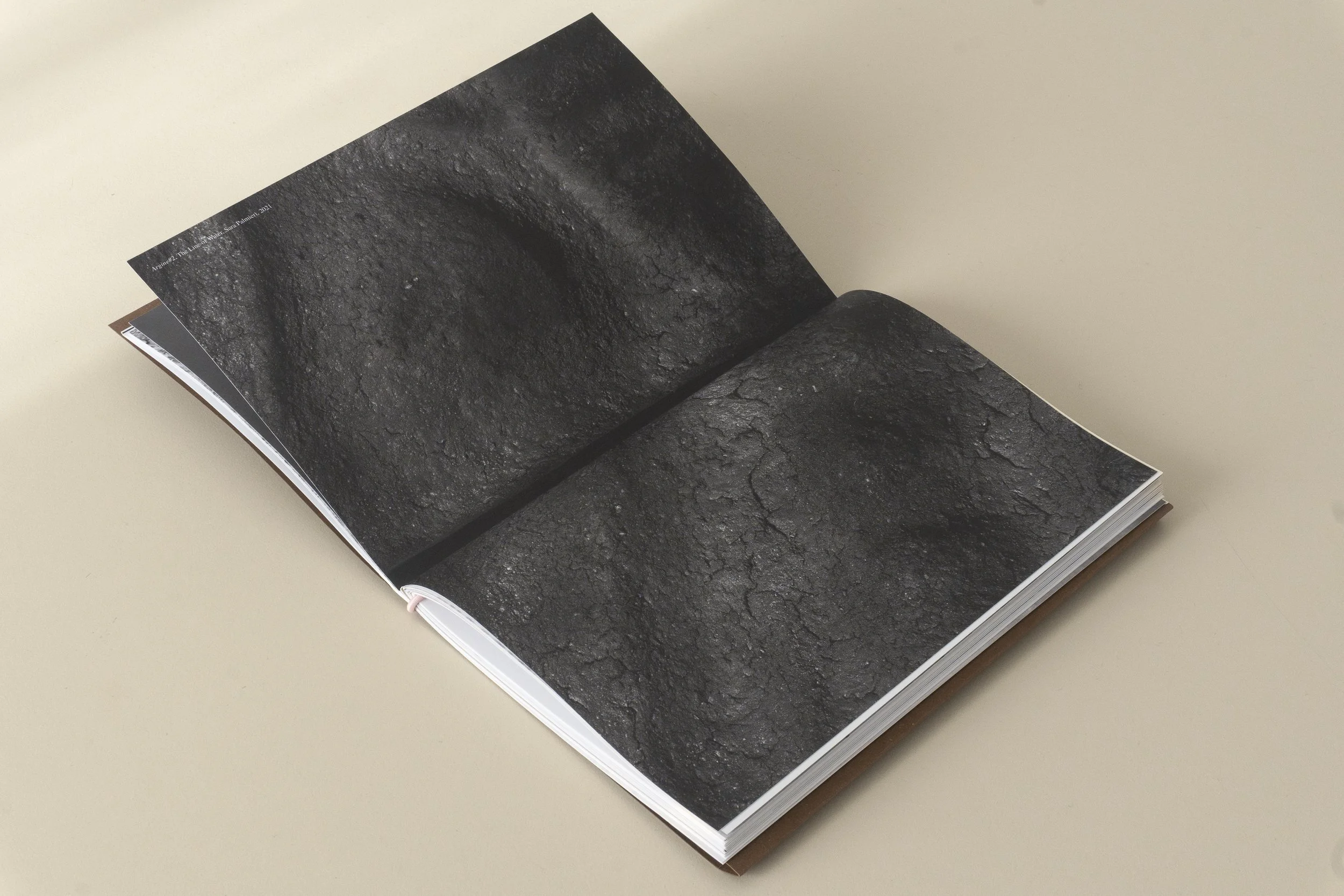
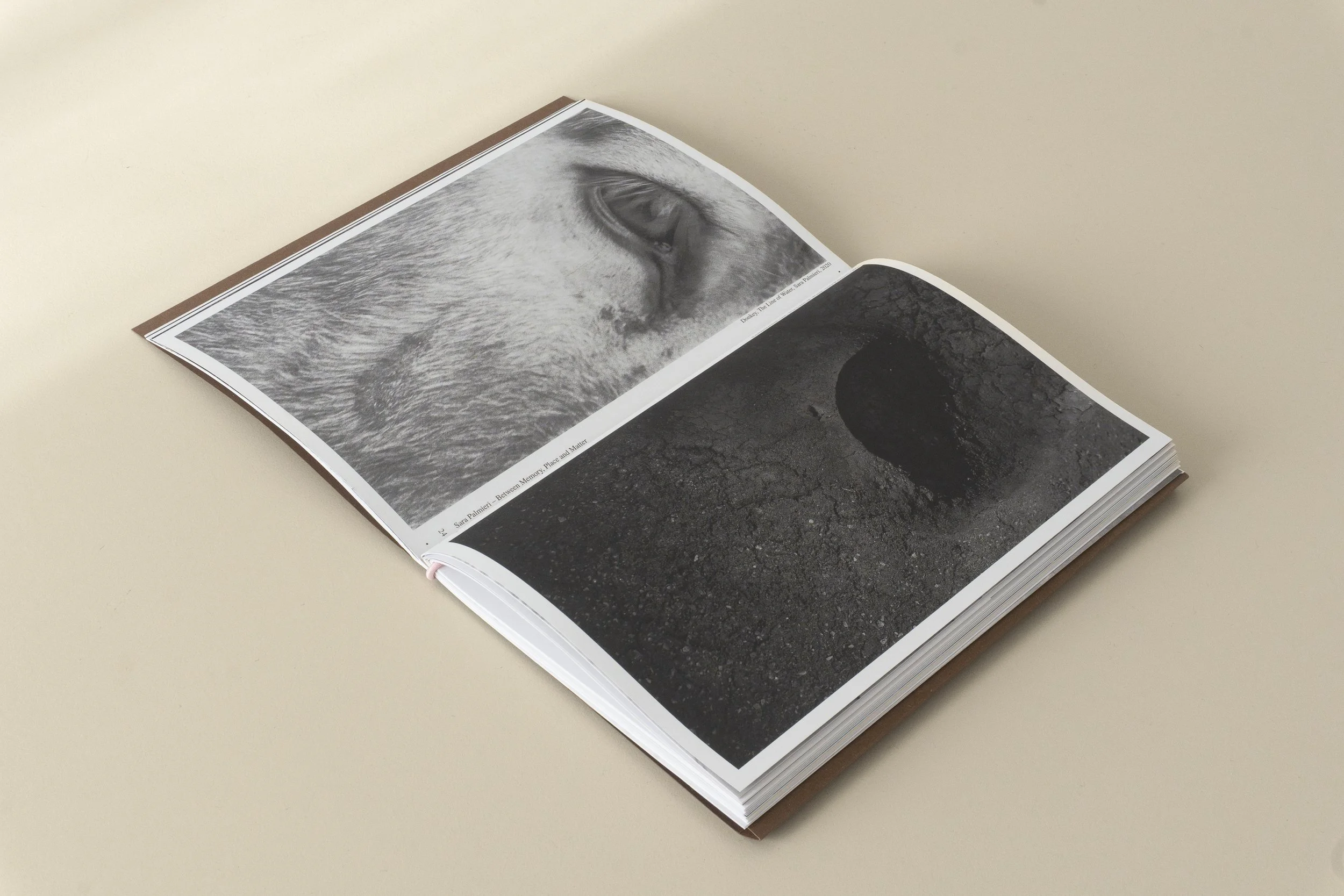
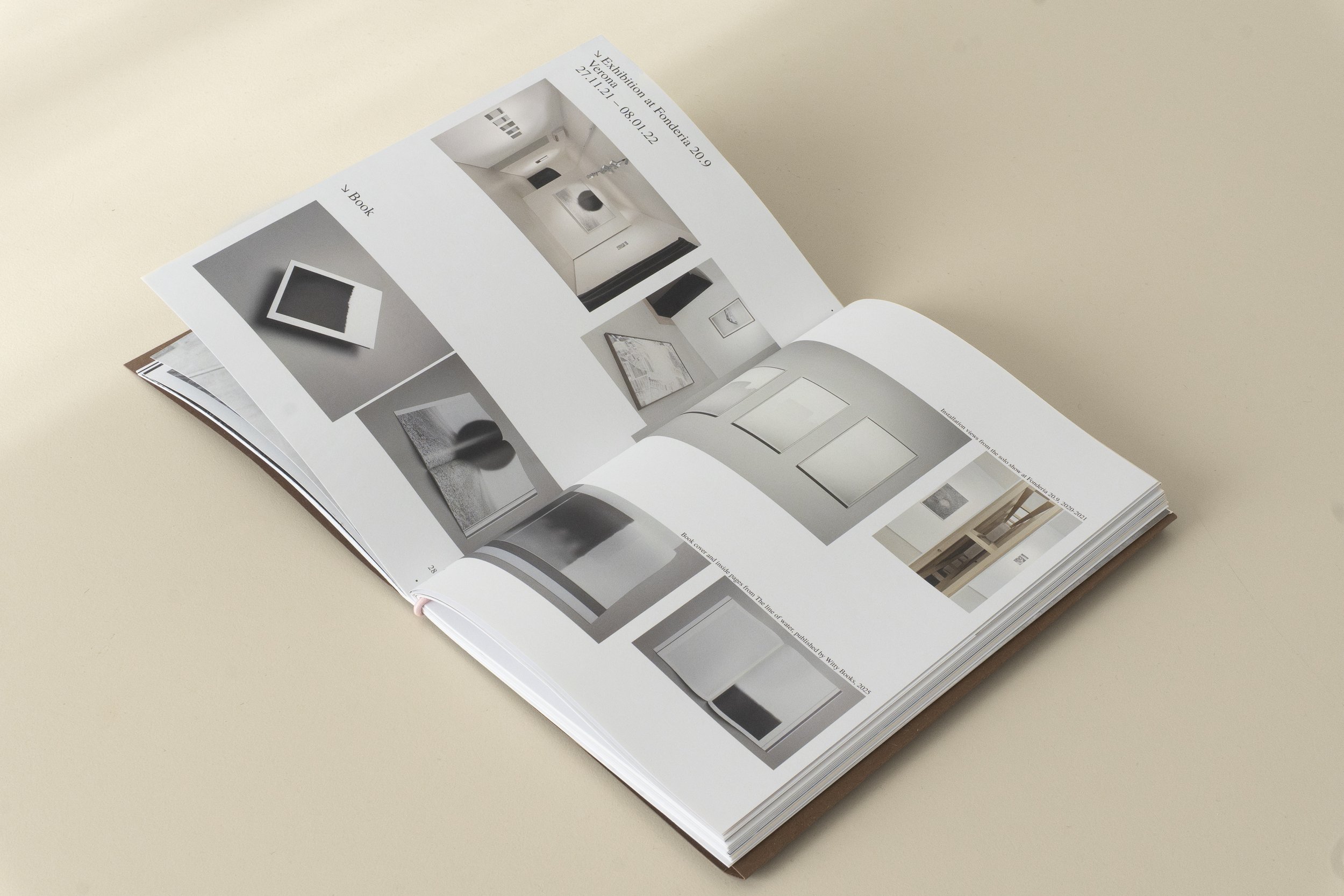
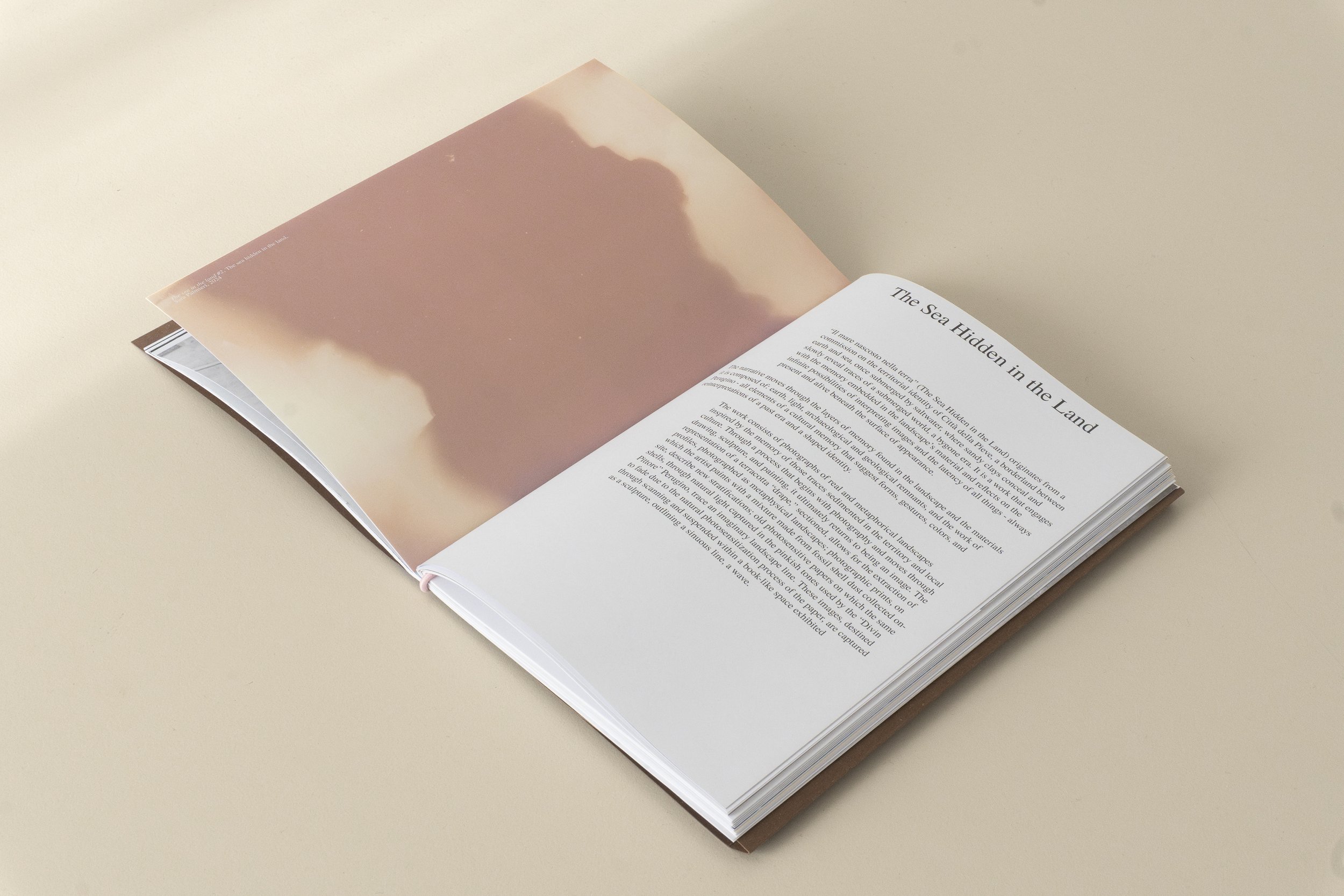
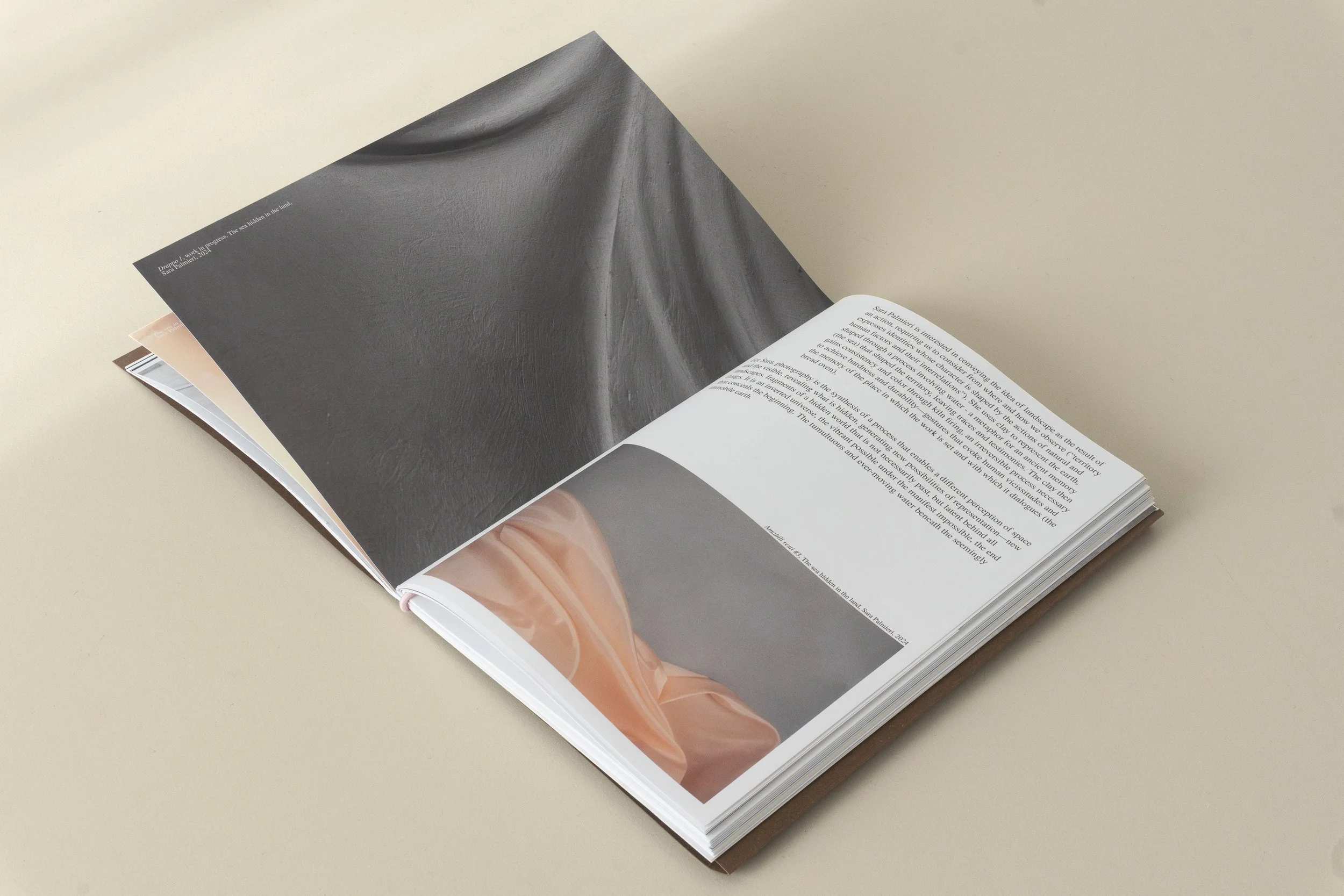
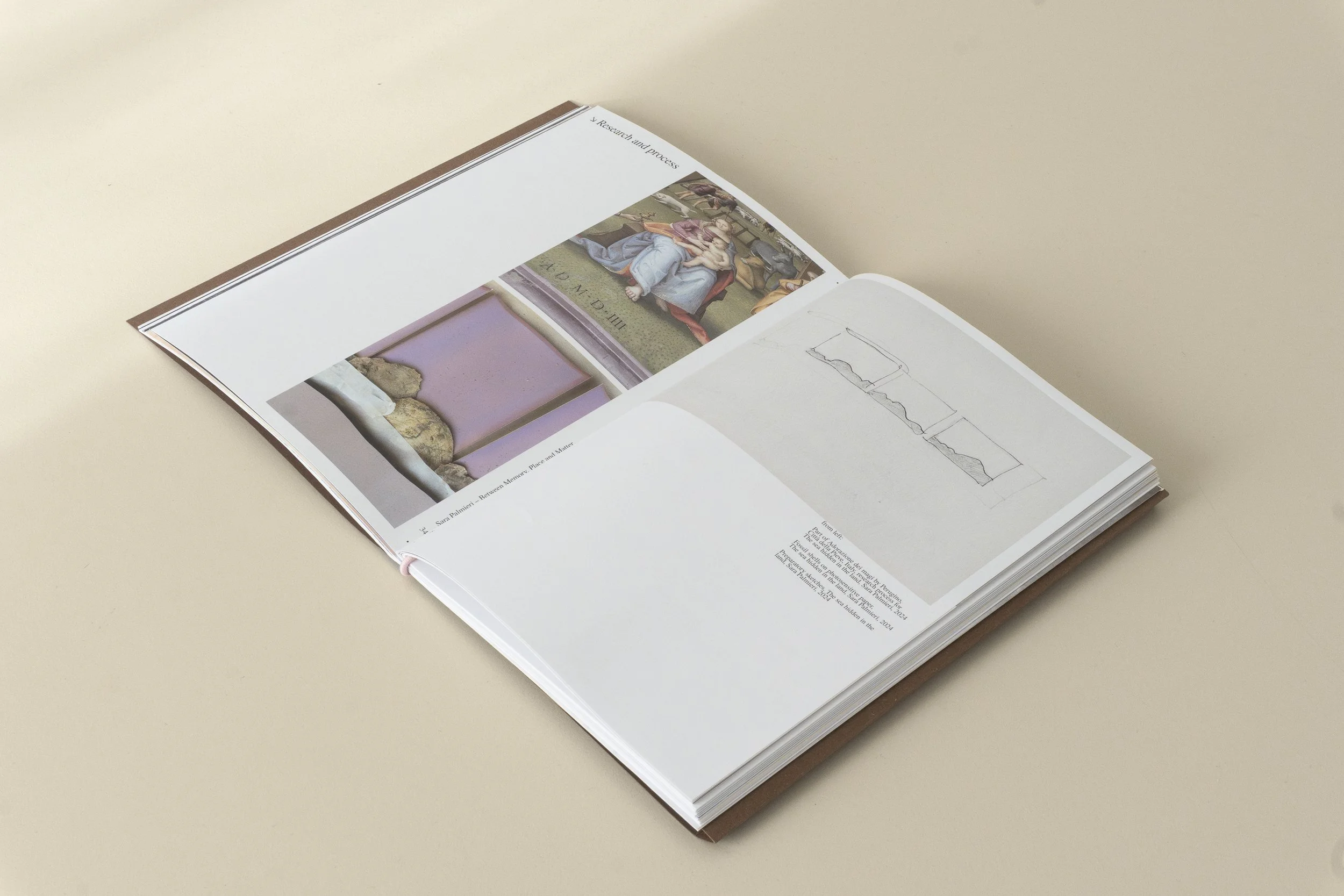
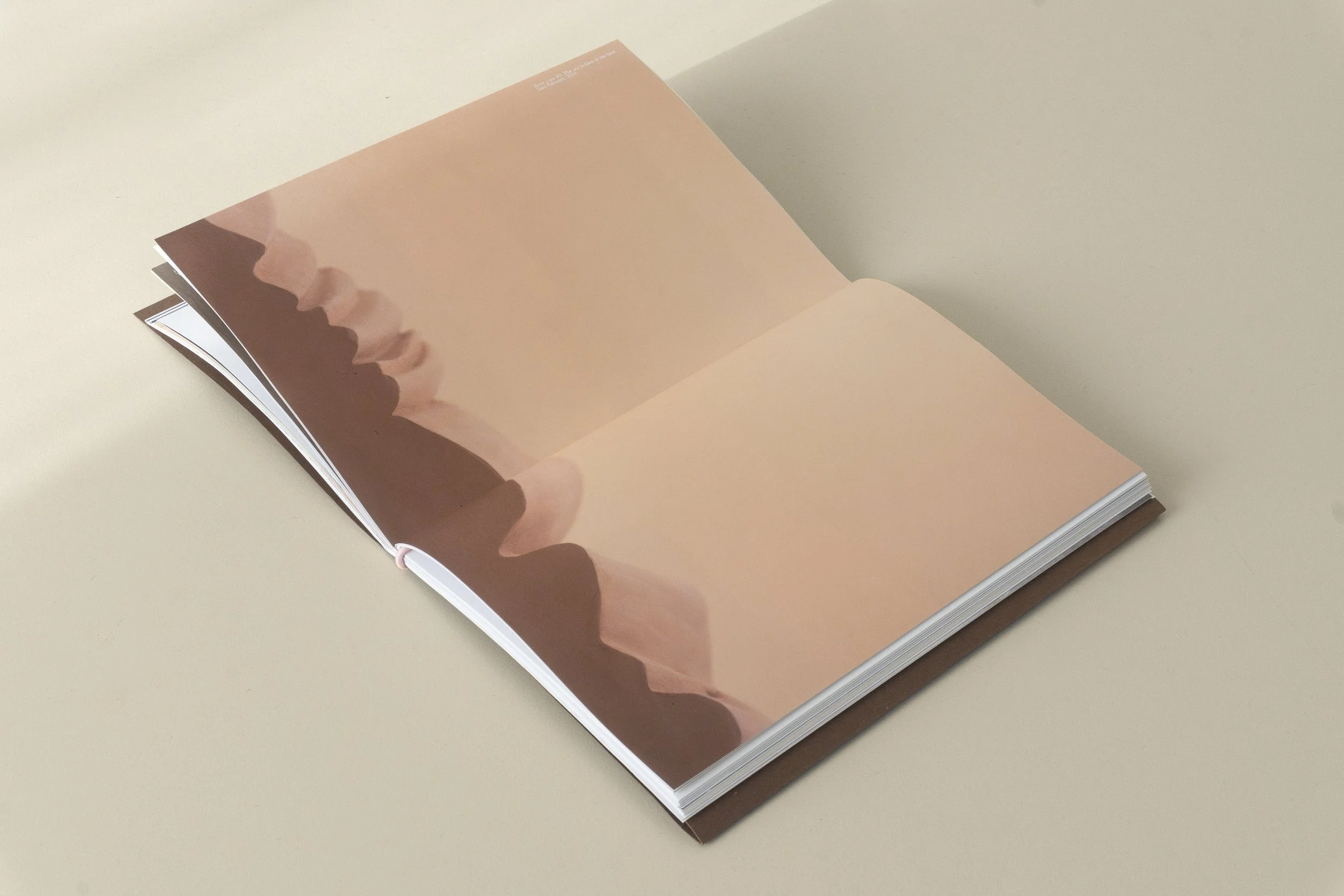
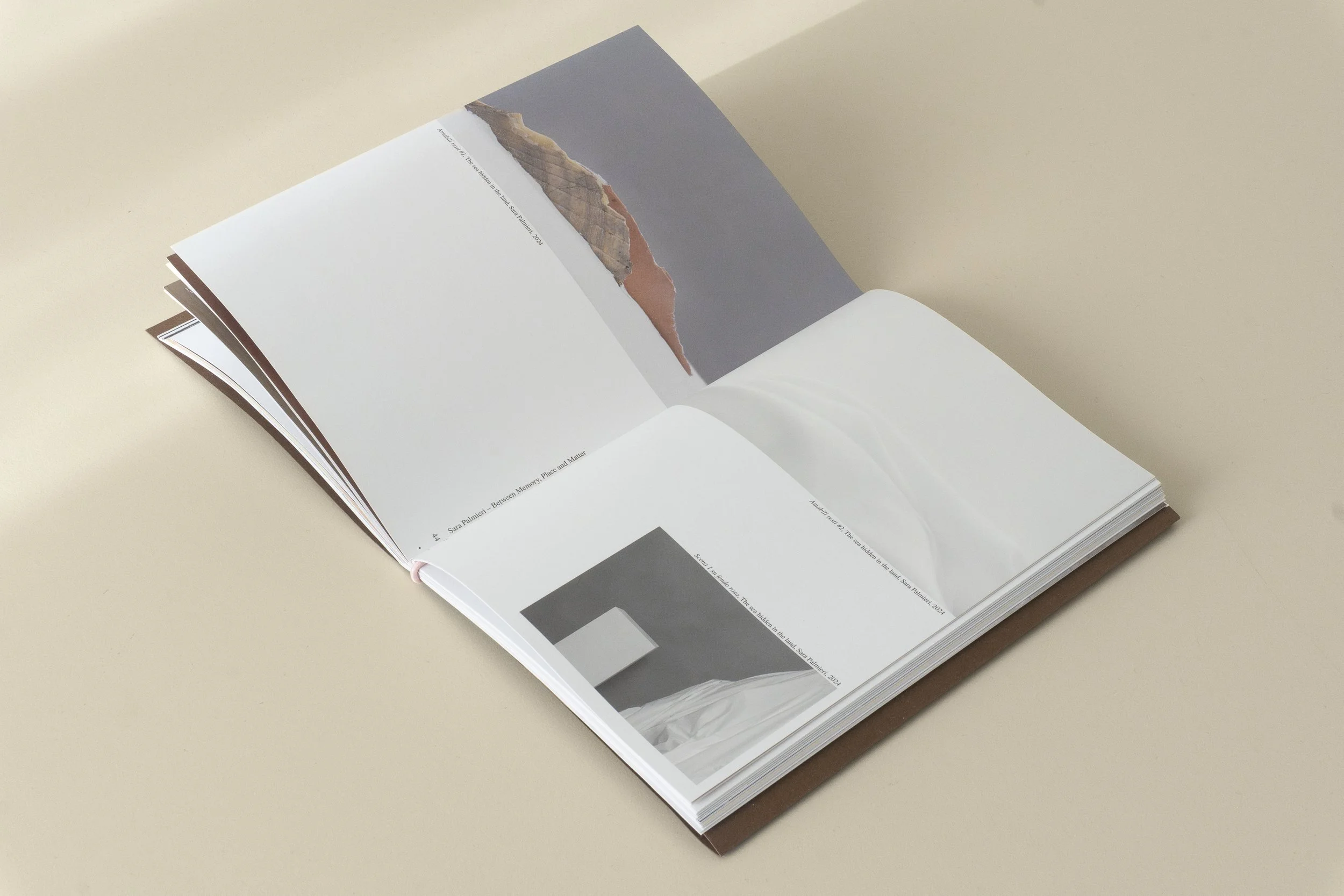
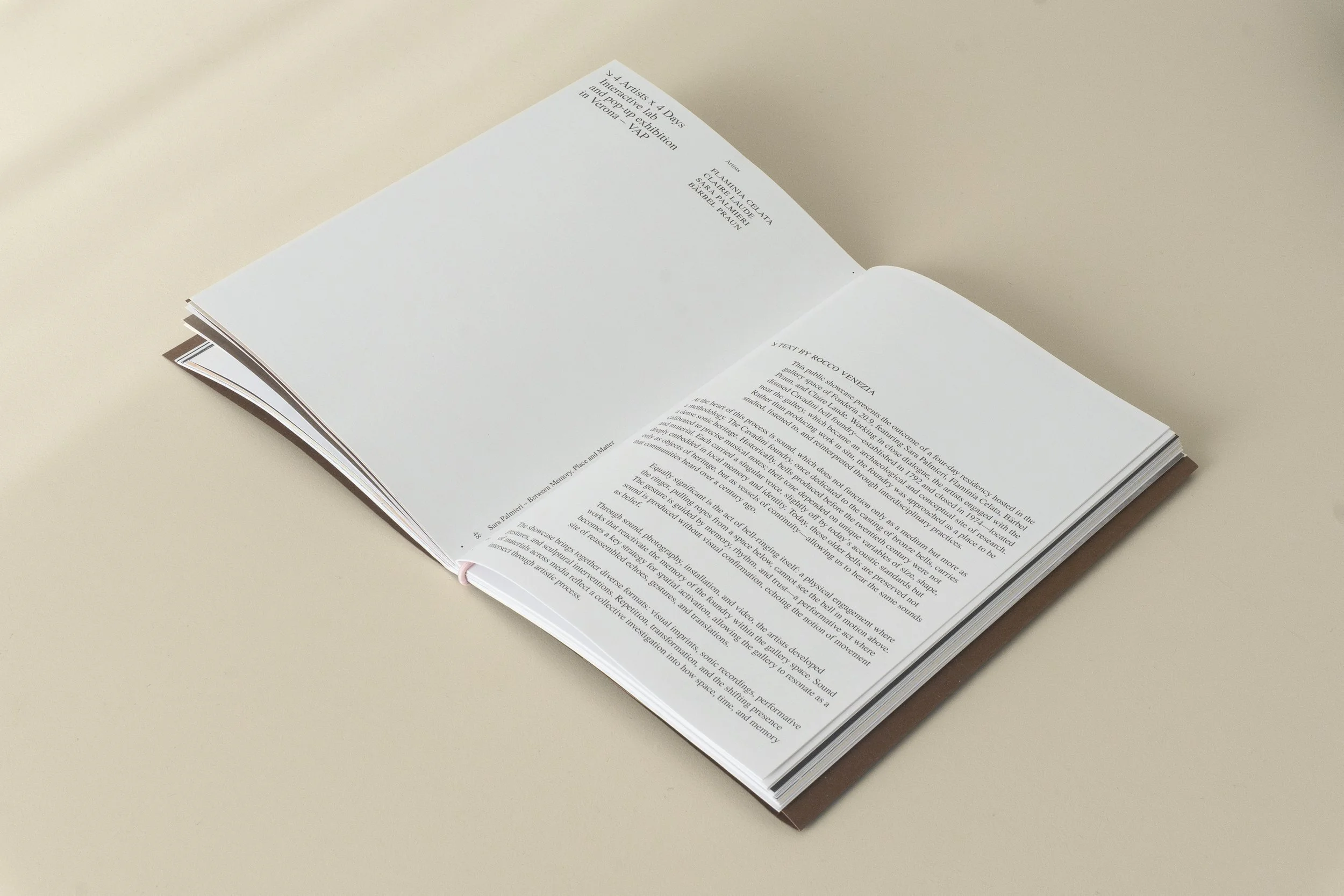
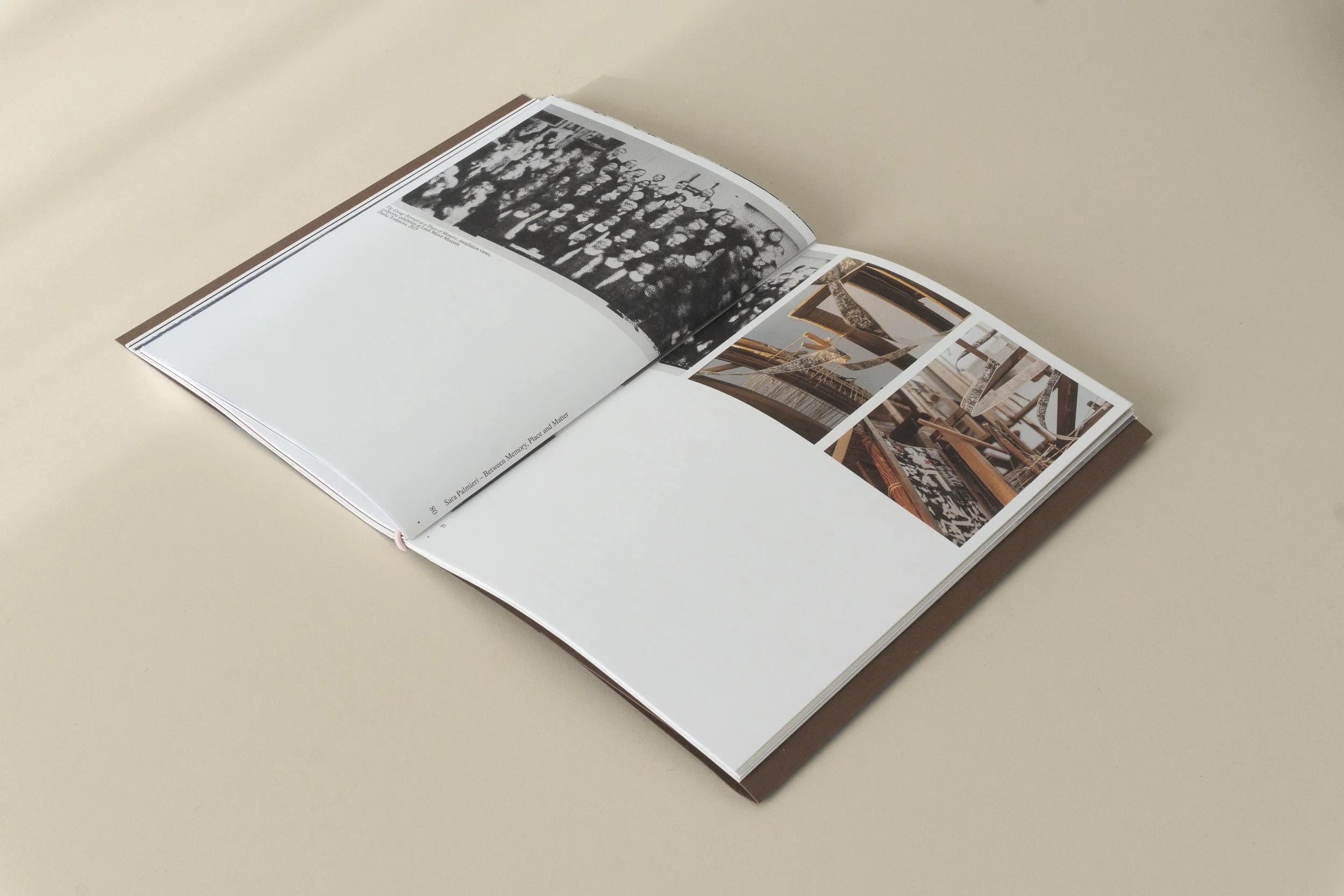
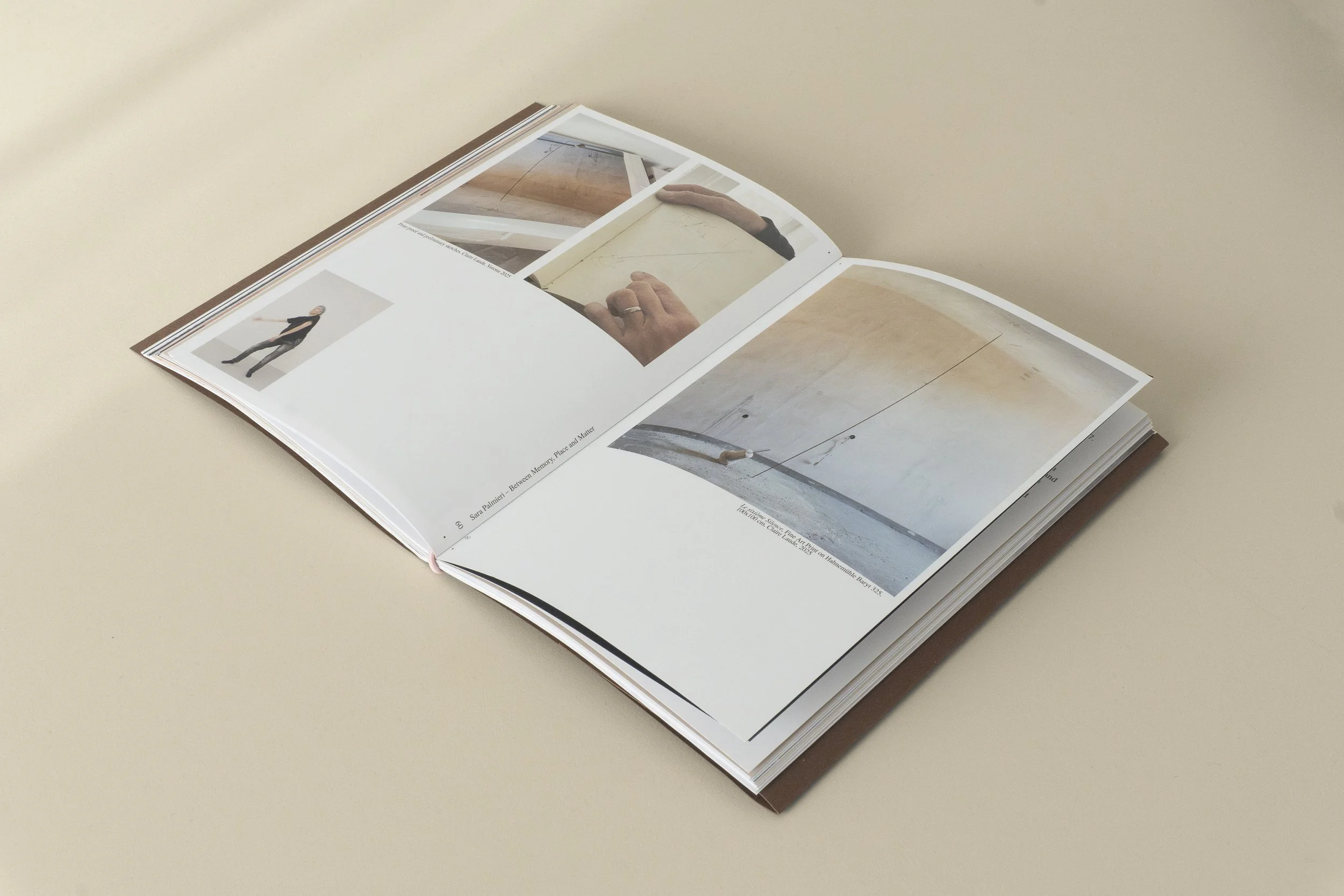
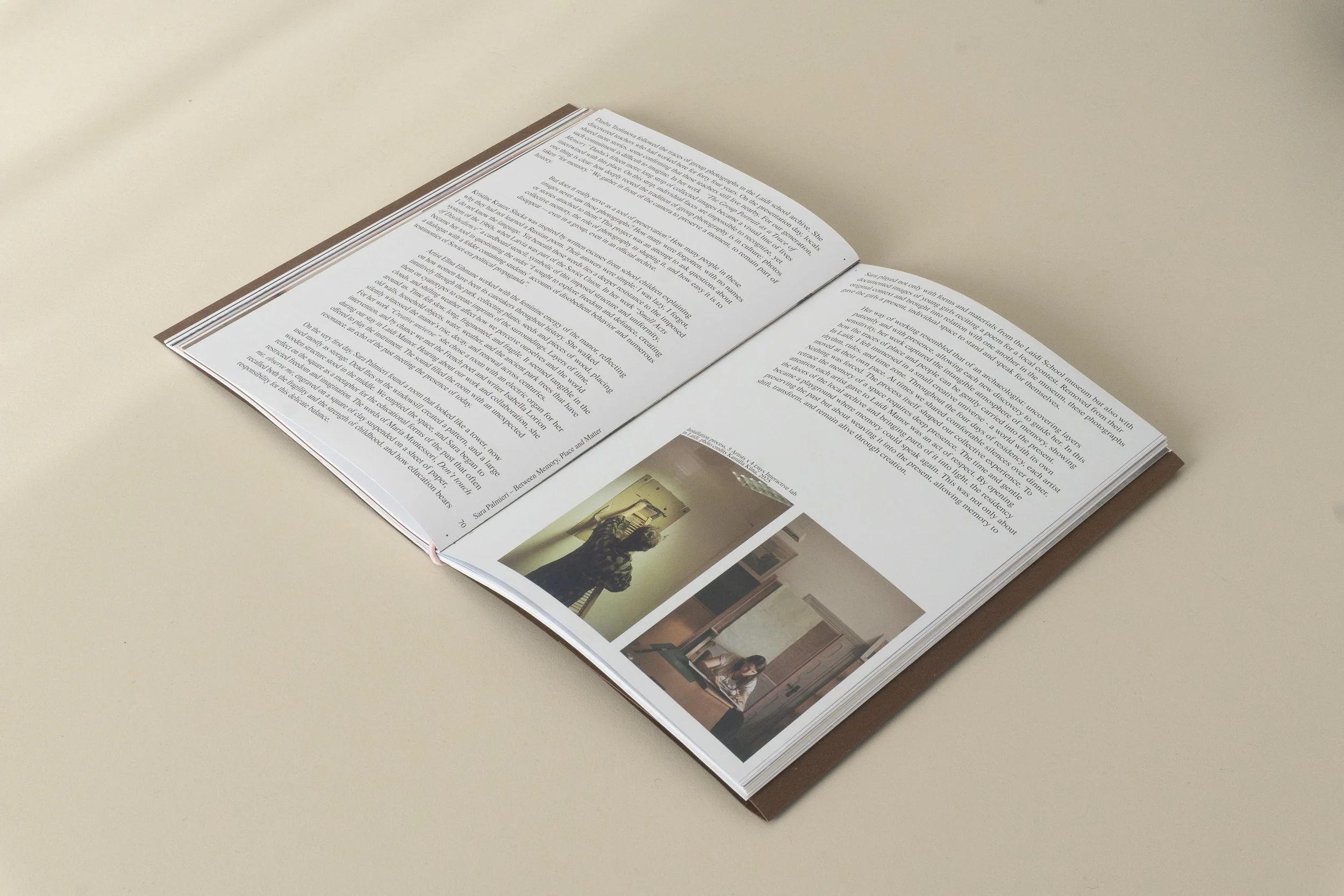
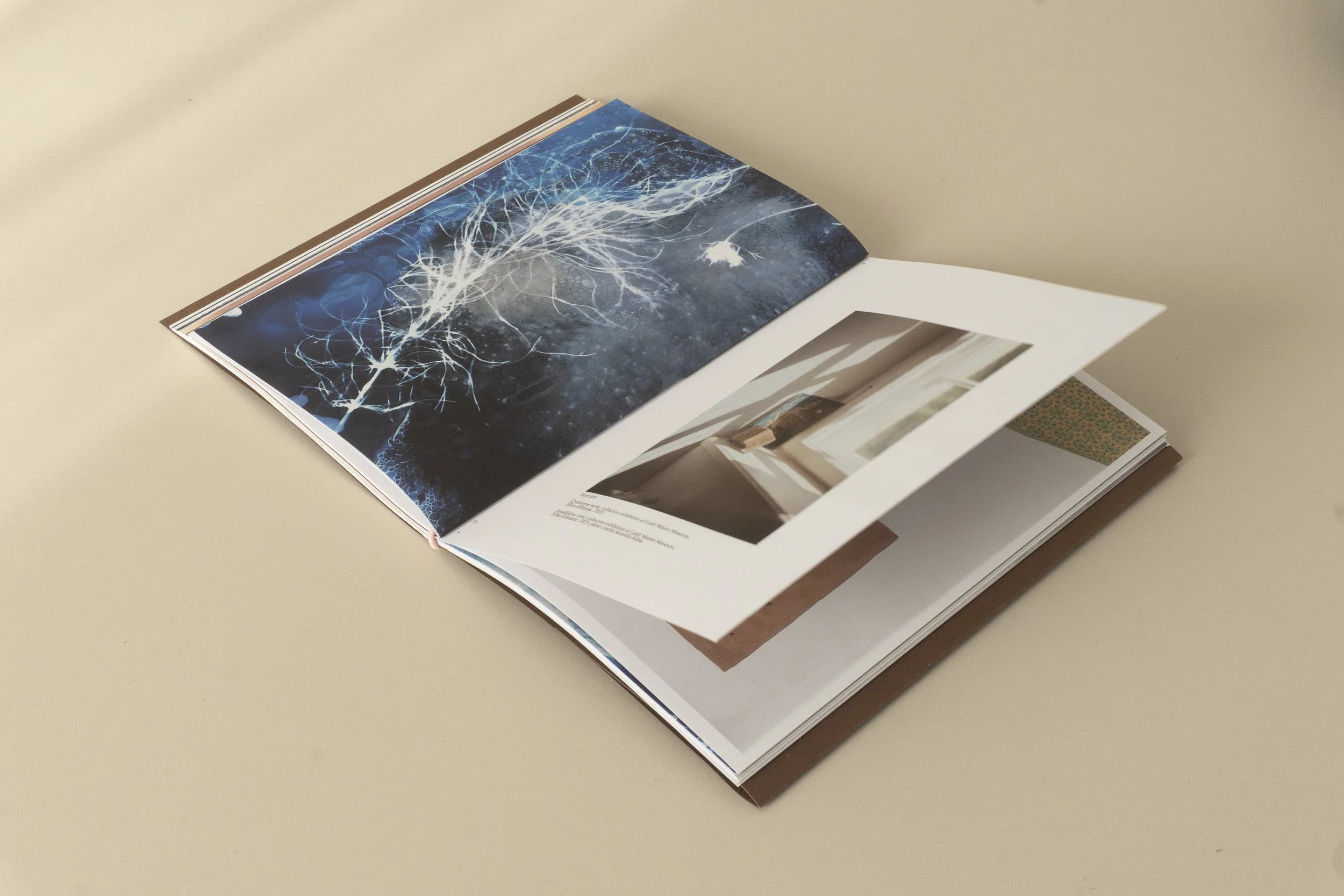
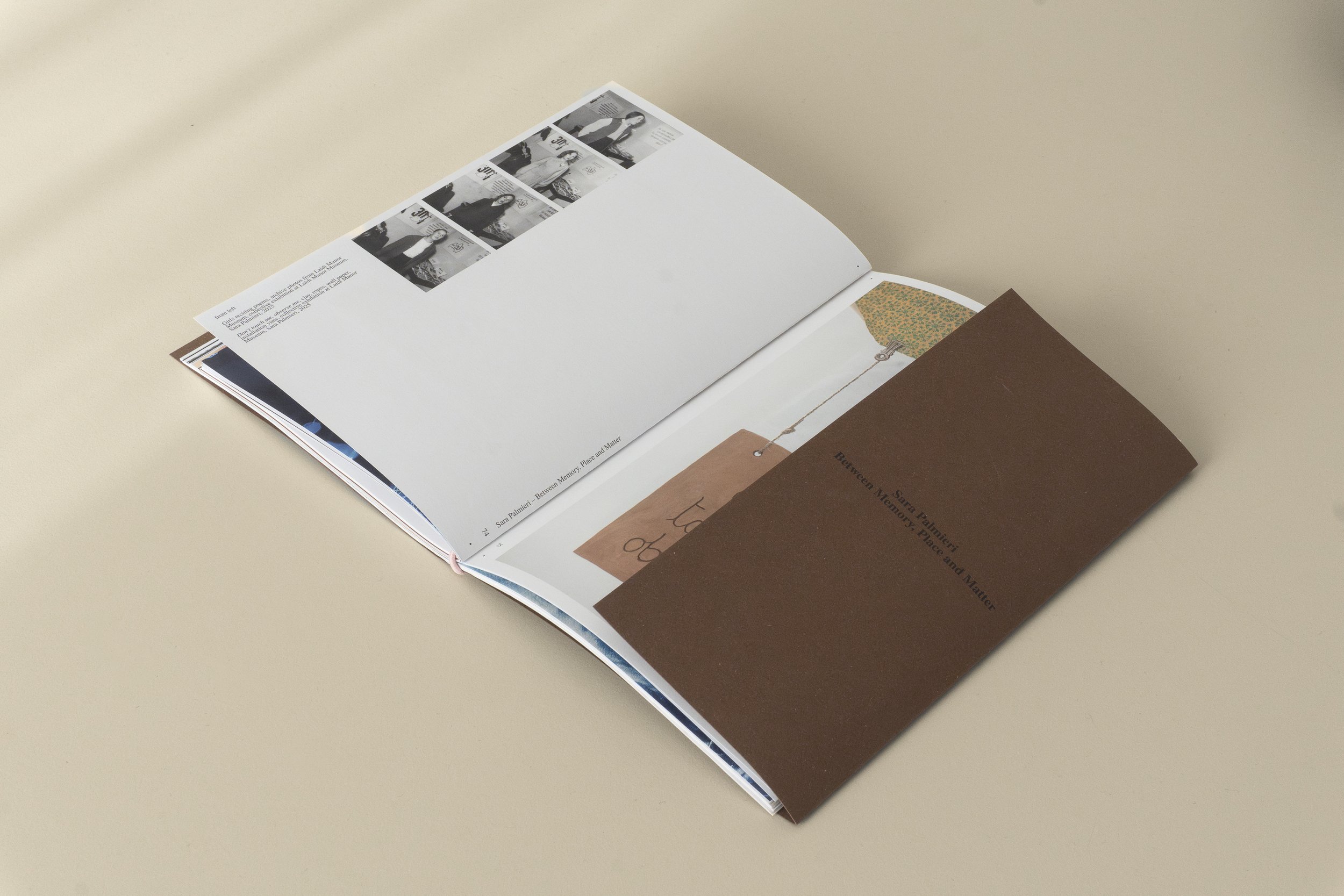
An editorial project that explores the research process behind the work — a workspace, a notebook for jotting things down, a place that captures and conveys the project's identity and reflections.
With Texts by
Alessandro Monti, Ilaria Schiaffni, Fiorenza Pinna, Rocco Venezia, Kamilla Kūna, Sara Palmieri
Participating artists and contributors:
Flaminia Celata, Bärbel Praun, Claire Laude, Elīna Eihmane, Kristīne Krauze-Slucka, Līga Stibe, Dasha Trofimova and Isabelle Lorion
Editing
Sara Palmieri, Rocco Venezia
Graphic Design
Sindi Karaj | Adagio
Year of Publication
2025
Printing
Faservice s.r.l.
Edition
First edition, 150 copies
Format
Softcover bound with elastic band, 14,8x21 cm Cover: Fedrigoni Materica Rust
Inside pages: Fedrigoni Arena White Smooth
ISBN
979-12-243-0382-4
Project supported by the Directorate-General for Contemporary Creativity of the Italian Ministry of Culture, promoted by Embassy of Italy in Riga, in collaboration with MLAC La Sapienza Rome, Fotografia Città della Pieve, ISSP Latvia,Fonderia 20.9. Exhibition hosted by ISSP Gallery.
-
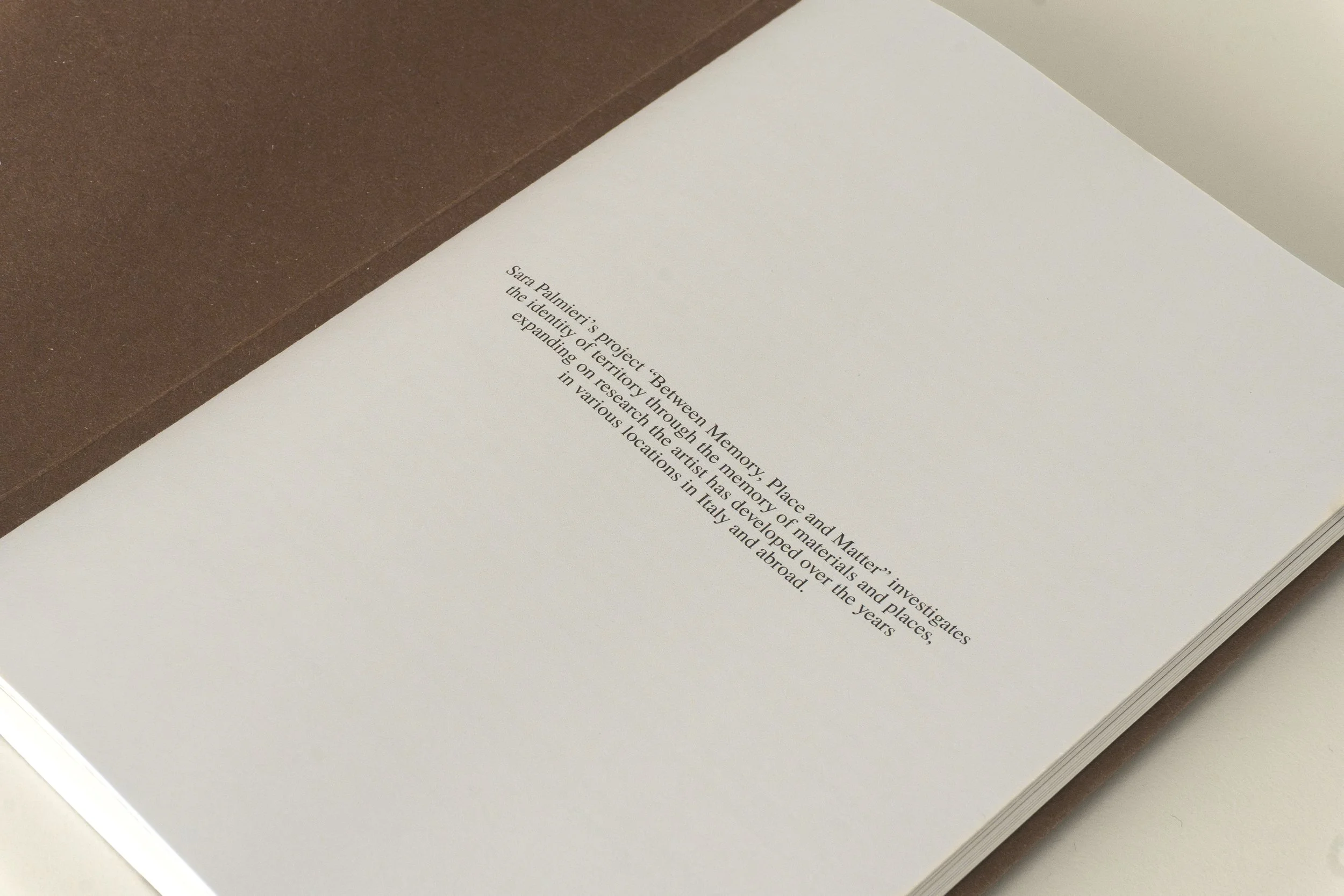
Sara Palmieri’s project “Between Memory, Place and Matter” investigates the identity of territory through the memory of materials and places, expanding on research the artist has developed over the years in various locations in Italy and abroad. This research began during her first residency at ISSP in Riga in 2019. The result, integrating photography, sculpture, and installation, aims to connect and intertwine the outcomes of this investigation across different territories and cultures. The main focus of the project is to analyze the ability of materials, architectures, and places to preserve the memory of the past and transmit history, exploring the meaning of home, belonging, identity, or its loss. Through practices and processes based on photography and a metaphorical language, Palmieri attempts to reveal the hidden past (places, people, events), bringing to light what remains in visible forms: testimonies, local materials, gestures, and traces impressed in objects, houses, and surroundings. She analyzes the shapes of buildings, their silent facades, and the materials they are made of, using them as metaphors and archetypes, while questioning which experiences, social and political backgrounds, and environments (natural/architectural) define our sense of belonging and identity.
Her interest in architecture - as a filter for perceiving surrounding space and a system
of relationships between humans and environment - draws on Palmieri’s training and professional experience as an architect and is developed through photography as a tool of perception and spatial analysis.
The project also seeks to contribute to contemporary and historical debates on photography’s ability to serve as a reliable witness to history. It explores how practices that incorporate material and memory of places into the photographic process can extract invisible traces of the past and rewrite narratives and identities, rescuing fading memories from oblivion.
The exhibition concept envisions an installation of images reconstructing spaces, within which small sculptures, poetic objects, appear and endure - archetypes, remnants that contrast with the flatness of the images, evocative presences
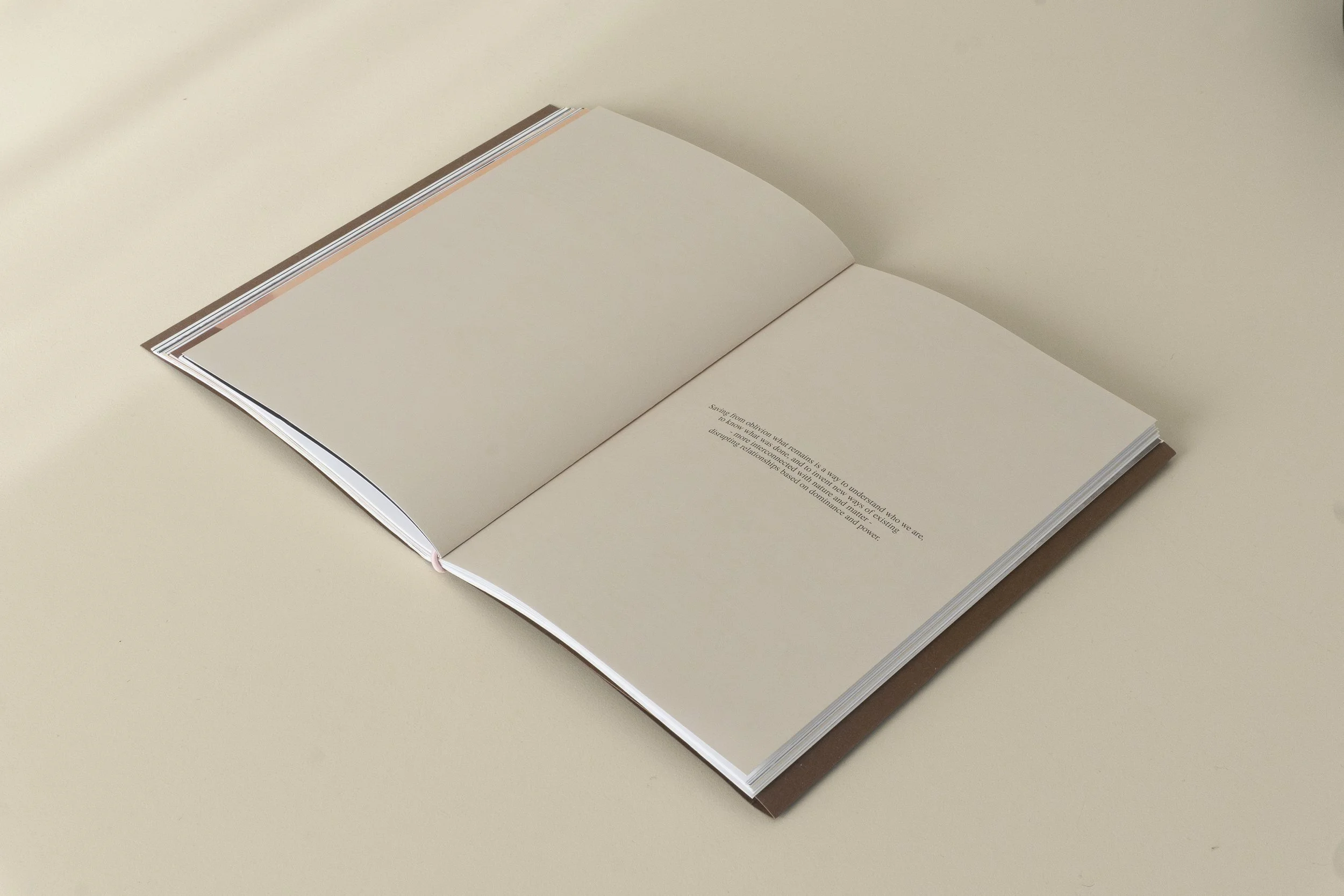
of a past place or memory, yet unsettling in their persistence, their refusal to disappear. The relation between images and objects, and the estrangement of the recreated exhibition space, aim to question our need for attachment to things and places, our identification with them, and our urge to preserve, survive, and shape our environment in our image so as not to vanish. Belonging is more spiritual than material, it remains as a trace of our presence in the material, not in its form: matter endures, and we endure in the form we give to matter and the force we use to define and preserve it. Matter has memory, matter is us. Saving from oblivion what remains is a way to understand who we are, to know what was done, and to invent new ways of existing - more interconnected with nature and matter - disrupting relationships based on dominance and power.
Sara Palmieri uses a multidisciplinary approach, integrating photography with sculpture and installation. Starting from archival images, photos of historical and contemporary sites, architecture, nature, and local materials, she integrates a process that combines analog photographic techniques, material and form experimentation, and the reconstruction of installation spaces. Her artistic practice incorporates the material of the territory into the creative and photographic process, inviting the place and its elements to participate in the research, attributing to them memory and agency.
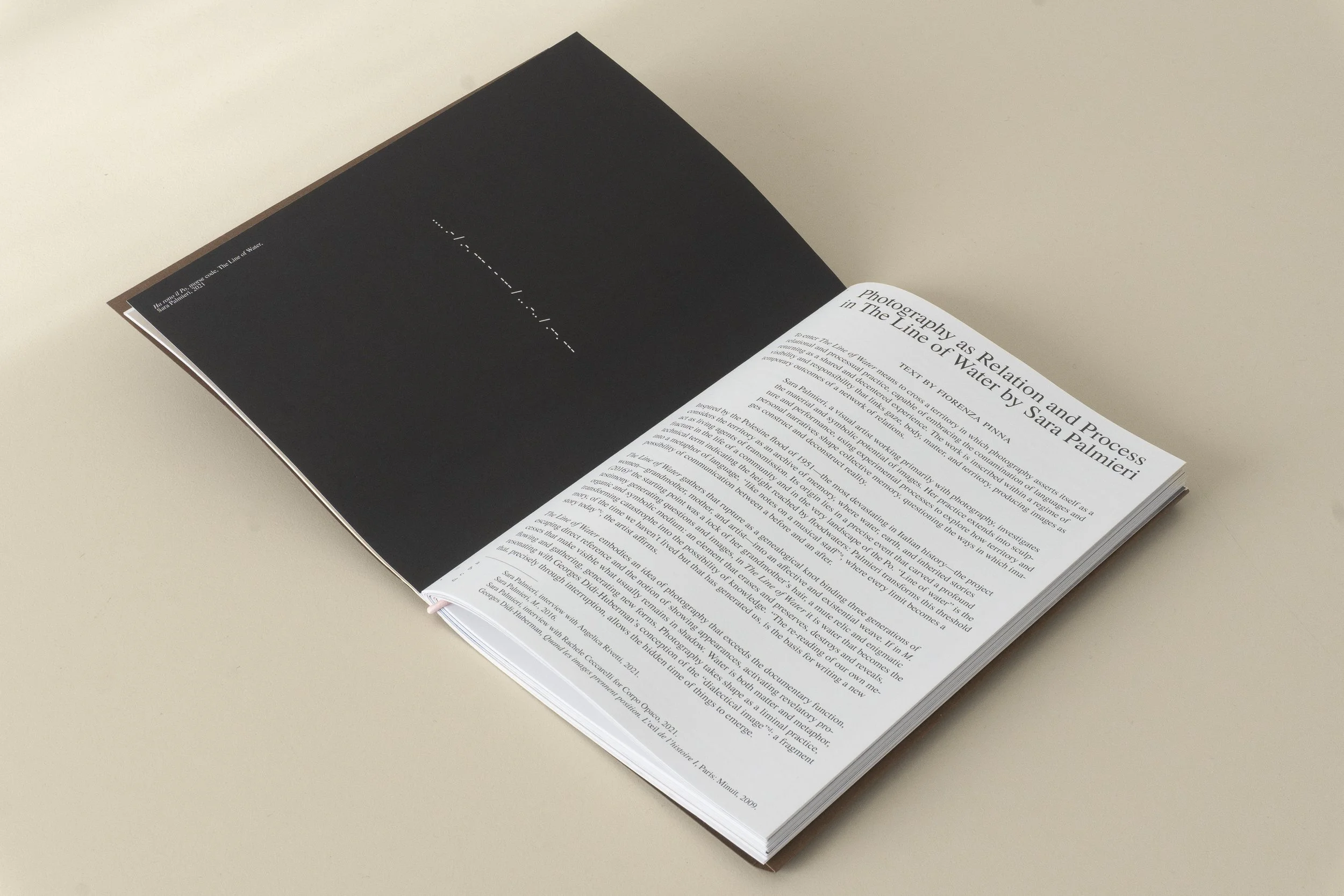
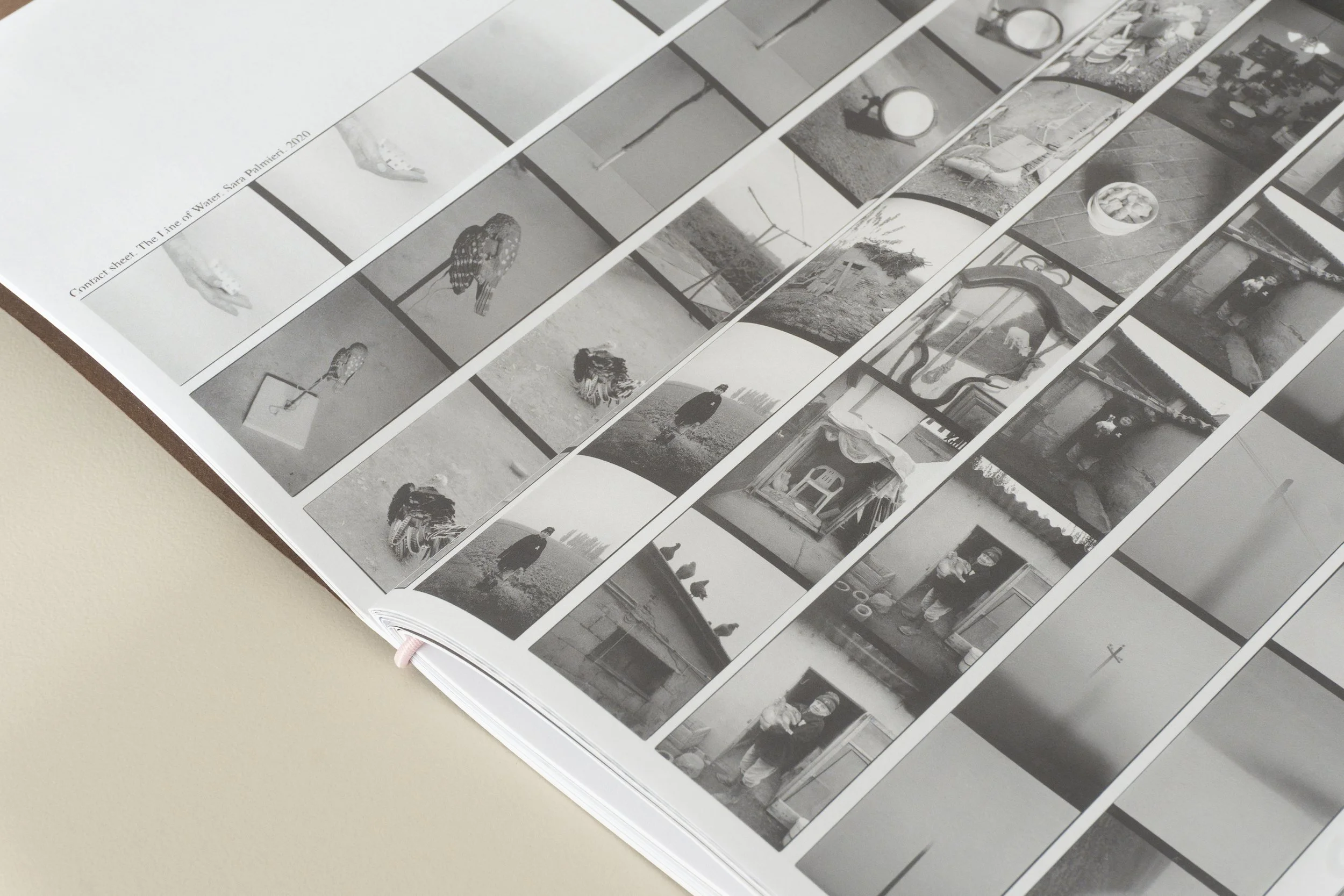
Examples of this include the use of Po River water in the development of photographs in The Line of Water, a work about the memory of the 1951 Polesine flood (exhibited at Fonderia 20.9 in 2021 and published in March
2025 by Witty Books); or geological and archaeological remnants in The Sea Hidden in the Land, currently exhibited in Fotografia Città della Pieve, which imprint forms and memories on photosensitive paper to reconstruct lost, real, and metaphysical landscapes. Also, the light and atmosphere of Umbria—typical of Perugino’s paintings—are recreated in Palmieri’s images through chemical processes, forming the background of spaces reconstructed with sculpture and then re-photographed to mimic gestures and past identities drawn from Perugino’s works.
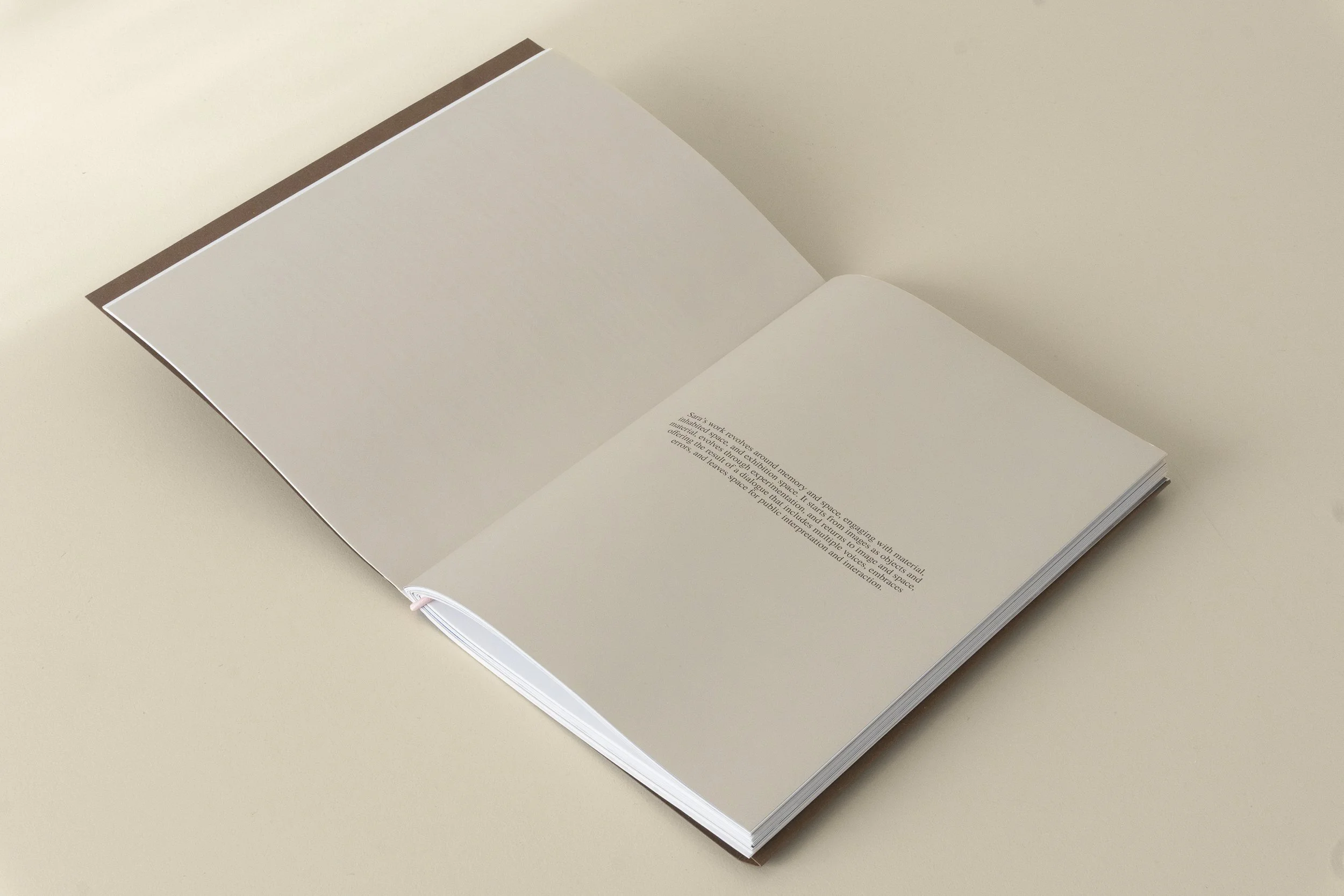
Sara’s work revolves around memory and space, engaging with material, inhabited space, and exhibition space. It starts from images as objects and material, evolves through experimentation, and returns to image and space, offering the result of a dialogue that includes multiple voices, embraces errors, and leaves space for public interpretation and interaction.